If you are in a hurry
- Take fluids and sugar in small amounts. Even if you are “on a low-carb diet,” sick days are different
- Do not stop insulin on your own judgment. Pause SGLT2 inhibitors (names ending in “-gliflozin”) and metformin on sick days (if an SGLT2 inhibitor is prescribed to treat heart failure, do not stop it on your own; check with your doctor)
- If your consciousness is abnormal, you are struggling to breathe, or you are limp because you cannot keep your steroid down, go to the emergency department or call 119 (Japan’s emergency number). If you cannot eat for 24 hours, see a doctor the same day
Hello. I am Shunichi Gamo, MD, PhD, a board-certified pulmonologist and the director of Sendai Airport North Clinic.
From autumn into winter, many people with chronic conditions such as diabetes, kidney disease, and heart disease come to our fever clinic. One thing I hear from time to time is,
“I have a fever and can’t eat, so I’ve stopped my diabetes medicine and my insulin.”
I understand the feeling very well, but depending on the type of medicine, this is actually quite a risky decision.
To state the conclusion first, on a day when a person with a chronic condition has a fever and cannot eat (a sick day), there are “medicines you must not stop” and “medicines it is better to pause,” and where to draw that line is decided first of all by your own doctor’s instructions. On top of that, the common basics are three things: take fluids and sugar in small amounts, do not stop insulin on your own judgment, and see a doctor early if you cannot eat.
In this article, from the standpoint of a pulmonologist, I roughly sort out how to handle medicines and when to see a doctor if you have a fever and have diabetes, kidney disease, or heart failure, are taking steroids, or have COPD (chronic obstructive pulmonary disease) or asthma.
Since October 4, 2026, we also run the fever clinic on Sundays and national holidays
10:00 to 15:00 (no lunch break). No reservation is needed; we accept patients by same-day check-in. PCR test results are given on the same day. On Sundays and national holidays we run only the fever clinic; we do not offer general outpatient care or IV drips. We are closed on Sunday, October 25, and from November we are generally open every Sunday and national holiday. Announcement about the Sunday and national holiday fever clinic
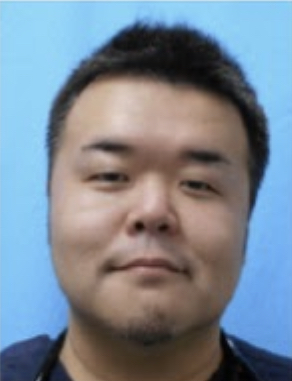
Shunichi Gamo, MD, PhD
Director, Sendai International Airport North Clinic
Born and raised locally, he attended Yuriage Elementary School and Yuriage Junior High School in Natori City. After graduating from Tohoku University School of Medicine, he worked at Sendai Open Hospital and Kesennuma City Hospital, and then at Tohoku University Hospital. In April 2021, in the middle of the COVID-19 pandemic, he opened Sendai International Airport North Clinic. Holding to a fever clinic that never turns patients away, he cared for well over 20,000 patients with fever in the two years before COVID-19 was moved to Class 5 under Japan’s infectious disease law.
Society memberships and board certifications
Certified Member and Board Certified Fellow, Japanese Society of Internal Medicine
Board Certified Pulmonologist, Japanese Respiratory Society
Board Certified Allergist, Japanese Society of Allergology
Board Certified Specialist, Japanese Society of Anti-Aging Medicine
PhD in Medicine (Tohoku University)
What is a sick day? [days when fever, diarrhea, or vomiting keep you from eating]
A sick day is a day when you have a fever from an infection or other cause, or cannot eat because of diarrhea, vomiting, or loss of appetite. Dehydration and swings in blood sugar become likely[1]. The term originally comes from diabetes care, but the same way of thinking applies to people with kidney disease, heart failure, or those taking steroids.
When stress such as a fever strikes, the body produces more of the hormones that raise blood sugar. For that reason, blood sugar often becomes high even though you are not eating[1]. The most important point about sick days is that “I’m not eating, so I don’t need my medicine” is not always true.
Whether or not you have a chronic condition, start with fluids and sugar
The guideline of the Japan Diabetes Society recommends that on sick days you drink enough fluid to prevent dehydration, and take in sugar and energy in forms that are easy to swallow, such as rice porridge, noodles, and fruit juice[1]. Even if you are normally told to “go easy on carbohydrates,” sick days are different.
- Fluids: water, barley tea, or oral rehydration solution (a drink that lets the body absorb water and salt efficiently), in small, frequent sips
- Sugar and energy: rice porridge, noodles such as udon, fruit juice, or anything easy to take is fine[1]. Even if you have diabetes, it is important not to “skip” sugar on a sick day
- Body weight: if you weigh yourself every day, how much you have lost gives a rough idea of how dehydrated you are[1]
- Records: note down how much you could drink, how much you could eat, your blood sugar, and your temperature (this helps at your visit)
 Dr. Gamo
The worry, “Should I really take my medicine when I can’t eat properly?” is a reasonable one. If you are unsure, please phone your regular doctor and ask before you stop anything.
[Emergency department or call 119 now] Signs you must not wait on when you have a chronic condition
If even one of the following applies, do not go to the fever clinic. Go to an emergency department or call 119 (Japan’s emergency number). This is the same at night and on holidays.
- Abnormal consciousness, a slow response when called, saying things that do not make sense, or not waking up even when shaken
- Difficulty breathing, very fast breathing, breathing with the shoulders, purplish lips, or being unable to speak in one breath
- A seizure, weakness in the arms or legs, or slurred speech
- Barely able to drink, or no urine for half a day or more
- In people with diabetes: vomiting that will not stop so you cannot drink, deep and fast breathing, or breath with a sweet-sour smell (suspected ketoacidosis, a dangerous state in which the blood turns acidic)
- In people taking steroids: vomiting so you cannot take your medicine, and being limp with a cold sweat or dizziness
Even if it is not an emergency, in the situations below, do not wait too long; see your regular doctor or the fever clinic the same day. If you cannot decide whether it is serious enough for an ambulance, you can consult the Miyagi Prefecture adult emergency phone consultation line (#7119).
- A strong fever, or strong digestive symptoms such as diarrhea or vomiting[1]
- You cannot eat for 24 hours, or can eat only a very little[1]
- In people with diabetes: blood sugar stays at 350 mg/dL or higher, blood ketones are high, or urine ketones are strongly positive[1]
- In people with kidney disease: a high fever of 38℃ or more continues, or you cannot eat at all because of diarrhea or vomiting[2]
- In people with COPD or asthma: more shortness of breath, more cough or sputum, or chest tightness[3]
- A fever while taking steroids, taking drugs that suppress the immune system, or receiving anticancer treatment (first contact the hospital that prescribes them)
If you have diabetes: do not stop insulin, and oral medicines differ by type
How diabetes medicines are handled on a sick day differs from drug to drug. First, the basic principle.
Do not stop insulin on your own judgment, “even if you are not eating”
According to the guideline of the Japan Diabetes Society, even on a sick day the principle is to continue intermediate-acting or long-acting (the type that keeps working all day) insulin[1]. Mealtime (additional) insulin is adjusted according to how much you eat (mainly carbohydrate), your blood sugar, and your ketones, and you check blood sugar and ketones more often than usual[1].
The guideline states clearly that if you stop insulin or oral medicines because “I’m not eating,” there is a danger of markedly high blood sugar[1]. The actual doses are instructed individually by your own doctor, based on your condition, your usual blood sugar, and how much you are eating and drinking. If eating is difficult, contact your doctor early and get instructions[1].
SGLT2 inhibitors: “always pause” [drug names end in “-gliflozin”]
SGLT2 inhibitors (medicines that lower blood sugar by passing sugar out in the urine) are drugs whose generic names end in “-gliflozin.” The Japan Diabetes Society says that when you have a fever, diarrhea, or vomiting, or when you have no appetite and cannot eat enough (a sick day), you should always pause them[4]. Because these drugs also reduce the body’s water as they pass sugar into the urine, the utmost attention to dehydration is needed on sick days[4].
There is one more thing I want you to know: euglycemic ketoacidosis. Ketoacidosis is a dangerous state in which, when insulin action is insufficient, “ketone bodies” made as the body burns fat build up in the blood and make it acidic. When you take an SGLT2 inhibitor, ketoacidosis can occur even though blood sugar is not that high, and it is easy to be found late[4]. If you have strong fatigue, nausea or vomiting, or abdominal pain, see a doctor even if your blood sugar is close to normal.
Note that SGLT2 inhibitors are also sometimes prescribed to treat heart failure or kidney disease. The patient guide of the Japanese Society of Nephrology says that an SGLT2 inhibitor taken to treat heart failure should not be stopped on your own judgment; see your regular doctor and have them decide whether to pause it temporarily[2]. The handling changes depending on the purpose of the prescription, even for the same drug. That is exactly why your own doctor’s instructions come first.
Metformin: stop it during a sick day and consult your doctor
Metformin (a biguanide) can cause lactic acidosis (a rare but life-threatening side effect in which lactic acid builds up in the blood and makes it acidic) when you are dehydrated. The Japan Diabetes Society says it should not be used when there is dehydration, diarrhea, or vomiting, and that you should stop taking it during a sick day[1]. Metformin and SGLT2 inhibitors are sometimes also included in combination tablets mixed with other diabetes drugs, so check your medication notebook to see which ones your own medicines contain[2].
General guide for each oral medicine (from the Japan Diabetes Society guideline)
The table below rephrases, for patients, the “examples of how to use glucose-lowering drugs on a sick day” shown in the guideline[1]. Once again, your actual care is instructed individually by your own doctor according to your condition and blood sugar. Please do not use the table as a basis for deciding on your own.
| Type of medicine | General guide on a sick day[1] |
|---|---|
| Insulin (intermediate-acting and long-acting) | The principle is to continue. Mealtime insulin is adjusted according to food intake, blood sugar, and ketones |
| SGLT2 inhibitors (names ending in “-gliflozin”) | Stop (always pause)[4] |
| Metformin (biguanide) | Stop during the sick day |
| Sulfonylureas and glinides (drugs that prompt insulin release) | If you cannot eat there is a risk of low blood sugar, so contact a medical institution and have them decide on a dose reduction or stopping |
| Alpha-glucosidase inhibitors (drugs that blunt the rise in blood sugar after meals) | Stop when digestive symptoms are strong |
| Thiazolidinediones (drugs that help insulin work better) | May be stopped during the sick day |
| DPP-4 inhibitors and GLP-1 receptor agonists (drugs that use the action of hormones called incretins) | No established view. Consult your doctor based on your self-monitored blood sugar values |
| Imeglimin (a relatively new oral drug) | Stopping is preferable |
If you do self-monitoring of blood glucose, check as often as you can during the sick day, and see a doctor promptly if it stays at 350 mg/dL or higher or if your ketones are high[1].
If you have kidney disease (CKD): use acetaminophen for fever, and confirm which medicines to pause and which to continue
A state in which kidney function has declined is called chronic kidney disease (CKD). People with CKD and older adults are prone to acute kidney injury (a sudden worsening of kidney function) on a sick day. The cause is often a medicine[2]. The patient guide of the Japanese Society of Nephrology recommends seeing your regular doctor early if a high fever of 38℃ or more continues, or if you cannot eat at all because of diarrhea or vomiting[2].
- Fever reducers and painkillers: Many painkillers, such as loxoprofen, can harm kidney function, and the risk rises especially on sick days. On a sick day, use acetaminophen as your fever reducer[2]
- Diabetes medicines: Pause metformin and SGLT2 inhibitors on sick days (the same applies to SGLT2 inhibitors prescribed to treat kidney disease)[2]
- Active vitamin D (a medicine for osteoporosis and other conditions): It can raise blood calcium too high and suddenly worsen the kidneys, so do not take it on sick days[2]
- Diuretics, RAS inhibitors (a kind of blood pressure medicine), and SGLT2 inhibitors taken for heart failure: Pausing them may worsen heart failure, while on the other hand dehydration and low blood pressure can harm the kidneys. Do not pause them on your own judgment; see your regular doctor and have them decide whether to pause temporarily[2]
When you come to the fever clinic, please tell us first that you have kidney disease and what treatment you receive. If you have your medication notebook, we can choose the doses of fever reducers and antibiotics to match your kidney function.
If you have heart failure or take diuretics: do not decide on diuretics or fluids by yourself; contact your doctor
People with heart failure are often told, as a rule, “do not drink too much fluid.” But on a sick day, fluid is lost through fever and diarrhea. According to the patient guide of the Japanese Society of Nephrology, diuretics and blood pressure medicines (RAS inhibitors) can suddenly harm the kidneys on a sick day through dehydration and too large a drop in blood pressure. On the other hand, pausing these medicines or an SGLT2 inhibitor taken for heart failure may worsen heart failure[2].
In other words, on a sick day with heart failure, both “how much fluid to drink” and “whether to continue diuretics” are hard to decide by yourself. As soon as you have a fever and cannot eat or drink, contact your doctor early and get instructions[2]. Changes such as sudden weight gain, breathlessness when lying down, or stronger leg swelling may be signs that heart failure is getting worse. Please see a doctor the same day.
If you take steroids or drugs that suppress immunity: do not stop them on your own judgment
Some people take steroids (such as prednisolone) for a long time for rheumatoid arthritis, connective tissue disease, asthma, kidney disease, or adrenal gland disease. After long use, the body’s own ability to make steroid hormone has weakened. If stress such as a fever is added on top, or if the medicine is suddenly stopped, a dangerous state called adrenal insufficiency can occur, causing low blood pressure and impaired consciousness.
The adrenal insufficiency guideline of the Japan Endocrine Society says that during illness, or in special situations such as surgery or pregnancy, the steroid dose must be adjusted carefully. It also says that patient education and carrying an emergency card are essential to prevent a sudden worsening of adrenal insufficiency (adrenal crisis)[5].
The problem is that this “what to do when ill” is not getting across well enough. In a survey at a rheumatology clinic in Ireland, 51 patients who had taken steroids for 3 months or more were asked about it. Only 5.9% had ever been told about what to do with their medicine when ill (the sick day rules). Only 27.5% said they would appropriately increase the dose during an infection[6]. This is not a Japanese survey, but it shows that not being told is itself a risk.
- Do not stop steroids on your own judgment, even if you have a fever
- While you are well, ask your doctor whether there are instructions to increase the dose when you have a fever (follow your doctor’s instructions on how much to increase)
- If you vomit and cannot take your medicine, or are limp with a cold sweat or dizziness, see a doctor right away, including going to the emergency department
- For a fever while using drugs that suppress immunity, biologic drugs (injected drugs that suppress immune function), or anticancer drugs, first contact the hospital that prescribes them
If you have COPD or asthma: a cold can trigger an “exacerbation” [from a pulmonologist]
For people with COPD (chronic obstructive pulmonary disease, in which the lungs are damaged mainly by smoking and shortness of breath continues) or asthma, a cold with fever is a trigger for an “exacerbation.” The Japanese Respiratory Society defines an exacerbation of COPD as “a state with increased shortness of breath, increased cough or sputum, or the appearance or worsening of chest discomfort or unease, requiring a change in the treatment used in the stable period”[3].
In an analysis pooling 28 studies worldwide, viral infection was found in 37.4% (95% confidence interval 35.9 to 38.8%) of patients who came in with a COPD exacerbation[7]. For asthma attacks in adults too, there is an analysis pooling 43 studies (3,511 people). During attacks, 40.2% had an acute infection, most of them (38.8%) viral, and the most common was rhinovirus (the ordinary cold virus)[8]. By the way, a 95% confidence interval is the range in which “the true value probably lies.”
In other words, for people with COPD or asthma there is no such thing as “just a cold.” If you have a fever and more shortness of breath or sputum than usual, consider that the start of an exacerbation. The Japanese Respiratory Society also warns that even a mild exacerbation can lead to a moderate or severe one[3].
- Keep using your usual inhaler (the long-term controller) even if you have a fever
- If you have been prescribed a rescue inhaler (a short-acting bronchodilator), use it as instructed
- If you have more shortness of breath, more sputum or a change in its color, or chest tightness, see a doctor the same day
- If your lips look purplish or you cannot speak in one breath, go to the emergency department or call 119
The basics of treating an exacerbation are inhaled bronchodilators, combined with steroids or antibiotics as needed[3]. When they are needed, start them without hesitation, and finish the full course as instructed. The society also recommends influenza and pneumococcal vaccination to prevent exacerbations[3]. I recommend getting vaccinated before the season. For how to measure SpO2 at home, please also see the related article at the end of this page.
What to tell us when you see a doctor
For a fever in someone with a chronic condition, “the medicines you take now” and “how much you are able to eat” greatly influence the diagnosis and the treatment plan. You can also enter the same information in the pre-visit questionnaire.
- The name of your chronic condition, and your regular hospital and doctor
- Your medication notebook (one that shows all the medicines you usually take). Combination tablets are especially important
- Which medicines you have “stopped” and which you are “continuing” since the sick day began, and the time you last took (or injected) them
- How much fluid you could drink, how much you could eat, and how many times you urinated
- Your blood sugar record (if you measure it), changes in your weight, and your pulse oximeter readings
- If you used a fever reducer or an over-the-counter medicine, its name and the time
How to use our fever clinic [no reservation needed, open on Sundays and national holidays]
The fever clinic at Sendai Airport North Clinic (Mitazono, Natori City) accepts patients not by reservation for a set time, but through a pre-visit questionnaire and same-day check-in. Our policy is not to turn away anyone seeking the fever clinic (depending on your symptoms, we may guide you to a more suitable medical institution).
| Day | Hours |
|---|---|
| Mon, Tue, Wed, Fri, Sat | 9:00-12:00 / 14:00-18:00 |
| Sundays and national holidays (from October 4, 2026) | 10:00-15:00 (no lunch break, fever clinic only) |
| Thursday | Closed |
On Sundays and national holidays, we are closed on Sunday, October 25, and from November we are generally open every Sunday and national holiday. On Sundays and national holidays we run only the fever clinic; we do not offer general outpatient care or IV drips. For details, please see the announcement about the Sunday and national holiday fever clinic.
Please also note that we cannot give IV drips on Sundays and national holidays. If you can barely drink and are limp, or have strongly positive ketones with diabetes, or are otherwise likely to need an IV drip, go to a medical institution that can give IV drips, or to your regular hospital.
What happens during your visit
- Before you come, fill in the pre-visit questionnaire (optional; you may also fill it in when you check in at the entrance)
- Scan the QR code at the fever clinic entrance and check in by choosing “I have arrived and want to check in” (required)
- On weekdays, once you have checked in, please wait in your car
- On Sundays and national holidays, after check-in we confirm your health insurance card (My Number insurance card, certificate of eligibility, etc.) at the general outpatient entrance. We do not run general outpatient care on Sundays and national holidays, so please feel free to come in. When the confirmation is done, please wait in your car or elsewhere
- When your turn is near, we will call you by SMS or phone. Press the intercom at the fever clinic entrance and say your name
What to bring
- Your My Number insurance card, or a certificate of eligibility, etc.
- Your medication notebook (one that shows the medicines you usually take, including combination tablets)
- Your blood sugar and weight records (if you measure them)
- If you used a test kit at home, its result (a photo is fine)
Patients are generally seen in order of check-in, but the order may change depending on how severe the symptoms are. For details, please see About the fever clinic pre-visit questionnaire and same-day check-in.
Dr. GamoWith a fever and a chronic condition, what worries me is not the fever itself but “medicines and dehydration.” It is perfectly fine to come early.
Frequently asked questions (FAQ)
- I have a fever and can’t eat. Don’t I need to inject insulin?
-
Please do not stop it on your own judgment. According to the guideline of the Japan Diabetes Society, even on a sick day the principle is to continue intermediate-acting and long-acting insulin, and mealtime (additional) insulin is adjusted according to how much you eat, your blood sugar, and your ketones. Your own doctor instructs the actual doses individually, so please contact them early, as soon as you can no longer eat.
- Should I stop all my diabetes pills when I have a fever?
-
It depends on the type of medicine. SGLT2 inhibitors (names ending in “-gliflozin”) and metformin are paused on sick days, but for sulfonylureas and similar drugs you contact a medical institution and have them decide on a dose reduction or stopping. If you “stop everything,” there is a danger of markedly high blood sugar. This includes people who have been prescribed an SGLT2 inhibitor to treat heart failure; the surest way is to look at your medication notebook and phone your doctor to check.
- I have kidney disease. Can I take an over-the-counter fever reducer?
-
Many painkillers, such as loxoprofen, can harm kidney function, and special care is needed on sick days. The patient guide of the Japanese Society of Nephrology recommends using acetaminophen as the fever reducer on a sick day. Please tell us first that you have kidney disease when you see a doctor.
- I take steroids. What should I do with my medicine if I get a fever?
-
Please do not stop it on your own judgment. People who have taken steroids for a long time are at risk of adrenal insufficiency under stress such as a fever. Whether there are instructions to increase the dose during a fever differs from doctor to doctor, so check while you are well. If you vomit and cannot take your medicine, see a doctor right away, and if you are also limp with a cold sweat or dizziness, go to the emergency department or call 119.
- I have COPD. Can I go to the fever clinic if I have a fever and shortness of breath?
-
Yes. If shortness of breath or sputum has increased along with the fever, it may be the start of an exacerbation, so please see a doctor the same day. If your lips look purplish or you cannot speak in one breath, go to the emergency department or call 119 instead of the fever clinic. Our fever clinic is also open on Sundays and national holidays from 10:00 to 15:00.
- Can I use the fever clinic on a Sunday or national holiday if I have a chronic condition?
-
Yes. Since October 4, 2026, we also run the fever clinic on Sundays and national holidays from 10:00 to 15:00 (no lunch break). No reservation is needed; we accept patients by same-day check-in using the QR code at the fever clinic entrance. However, we cannot give IV drips on Sundays and national holidays, so if you can barely drink and are limp, go to a medical institution that can give IV drips.
Summary [the 3 sick day rules plus your doctor’s instructions]
- Take fluids and sugar in small amounts. Even if you are “on a low-carb diet,” sick days are different
- Do not stop insulin on your own judgment. Pause SGLT2 inhibitors (names ending in “-gliflozin”) and metformin on sick days (if an SGLT2 inhibitor is prescribed to treat heart failure, do not stop it on your own; check with your doctor)
- For people with kidney disease, use acetaminophen for fever. Do not pause diuretics, blood pressure medicines, or SGLT2 inhibitors for heart failure on your own; see a doctor and have them decide
- If you take steroids, do not stop them. While you are well, confirm the instructions for increasing the dose during a fever
- If you have COPD or asthma, more shortness of breath or sputum is the start of an exacerbation. See a doctor the same day
- If your consciousness is abnormal, you are struggling to breathe, or you are limp because you cannot keep your steroid down, go to the emergency department or call 119. If you cannot eat for 24 hours, see a doctor the same day
- Our clinic needs no reservation, with same-day check-in. We are also open on Sundays and national holidays from 10:00 to 15:00 (no IV drips)
With a fever in someone with a chronic condition, what matters more than how high the fever is are “medicines and dehydration.” Before you stop anything, phone first. If you are unsure, please come in early. Please leave the medical care to us.
That’s all.
Disclaimer
This article is intended to provide general medical information and does not replace an examination, diagnosis, or treatment by a doctor. The content is based on medical knowledge at the time of publication, but the appropriate response differs for each individual. If you are worried about your symptoms, please consult a medical institution.
References
- Japan Diabetes Society. Diabetes Clinical Practice Guideline 2024, Chapter 20: Acute metabolic decompensation and sick days in diabetes (including infections) (in Japanese). Japan Diabetes Society website. 2024. https://www.jds.or.jp/uploads/files/publications/gl2024/20.pdf
- Japanese Society of Nephrology. CKD Self-Care Guide 2024 for Patients and Families, Chapter 10: CKD and medicines (in Japanese). Japanese Society of Nephrology website. 2024. https://cdn.jsn.or.jp/medic/guideline/pdf/guide/2024_ckd_ryoyo_gl._4th.pdf
- Japanese Respiratory Society, Obstructive Lung Disease Committee. Practice of COPD exacerbation prevention and management: an action model for reducing COPD mortality (Step 2) (in Japanese). Japanese Respiratory Society website. 2026. https://www.jrs.or.jp/comore-by2032/file/STEP2_COPD_yobou.pdf
- Japan Diabetes Society, Committee on the Proper Use of SGLT2 Inhibitors. Recommendation on the proper use of SGLT2 inhibitors in diabetes treatment (revised July 26, 2022) (in Japanese). Japan Diabetes Society website. 2022. https://fa.kyorin.co.jp/jds/uploads/recommendation_SGLT2.pdf
- Yanase T, Tajima T, Katabami T, Iwasaki Y, Tanahashi Y, Sugawara A, et al. Diagnosis and treatment of adrenal insufficiency including adrenal crisis: a Japan Endocrine Society clinical practice guideline [Opinion]. Endocr J. 2016 Sep;63(9):765-784. doi:10.1507/endocrj.EJ16-0242 PMID: 27350721
- Courtney A, McDonnell E, Ng WL, Martin-Grace J, Tomkins M, Sherlock M, et al. Survey of Patient Knowledge and Awareness of “Sick Day Rules” in Rheumatology Patients on Long Term Glucocorticoid Therapy. Ir Med J. 2022 Sep;115(8):655. PMID: 36306262
- Jafarinejad H, Moghoofei M, Mostafaei S, Salimian J, Azimzadeh Jamalkandi S, Ahmadi A. Worldwide prevalence of viral infection in AECOPD patients: A meta-analysis. Microb Pathog. 2017 Dec;113:190-196. doi:10.1016/j.micpath.2017.10.021 PMID: 29038056
- Chen X, Zhang P, Ma Y. Prevalence of acute infection in adults with asthma exacerbation: A systematic review and meta-analysis. Ann Thorac Med. 2023;18(3):132-151. doi:10.4103/atm.atm_422_22 PMID: 37663878
Related articles on fever
For the fever clinic on Sundays and holidays, see the announcement about the fever clinic on Sundays and holidays; for how to visit, see the page on the fever clinic pre-visit questionnaire and same-day check-in.