
If you are in a hurry
- Chest pain, cold sweats, shortness of breath, and signs of a stroke mean 119 (Japan’s emergency number). Abdominal pain that keeps getting worse means an emergency clinic for urgent cases or an emergency department
- An emergency clinic for urgent cases is a place for first-aid treatment, and some facilities state that they give only a short supply of medicine to last until the regular clinics reopen
- It is reported that a child’s cold takes 15 days to clear in 9 out of 10 children, and an acute cough in adults lasts 17.8 days on average
Hello. I am Shunichi Gamo, MD, PhD, a board-certified pulmonologist and the director of Sendai Airport North Clinic.
It always seems to be on a Sunday or a holiday that a fever comes on or your stomach goes bad. Your family doctor is closed, and many of you have probably wondered, “Should I go to the holiday emergency clinic, or find an internal medicine clinic that is open today?”
To give you the conclusion first,
if a life-threatening illness is suspected, go to the emergency clinic or a hospital emergency department; for other fevers or stomach flu, go to an internal medicine clinic that is open that day (a pediatric clinic for children)
is what I think. The reason is simple: some emergency clinics, such as the one in Sendai City, officially state a policy of prescribing only a short supply of medicine to last until the regular clinics reopen. In this article, based on data from research papers and official materials, I explain in a straightforward way the signs of illnesses for which you should hurry to a hospital, and how many days colds, coughs, and stomach flu usually last.
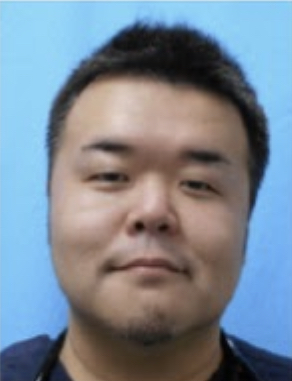
Shunichi Gamo, MD, PhD
Director, Sendai International Airport North Clinic
Born and raised locally, he attended Yuriage Elementary School and Yuriage Junior High School in Natori City. After graduating from Tohoku University School of Medicine, he worked at Sendai Open Hospital and Kesennuma City Hospital, and then at Tohoku University Hospital. In April 2021, in the middle of the COVID-19 pandemic, he opened Sendai International Airport North Clinic. Holding to a fever clinic that never turns patients away, he cared for well over 20,000 patients with fever in the two years before COVID-19 was moved to Class 5 under Japan’s infectious disease law.
Society memberships and board certifications
Certified Member and Board Certified Fellow, Japanese Society of Internal Medicine
Board Certified Pulmonologist, Japanese Respiratory Society
Board Certified Allergist, Japanese Society of Allergology
Board Certified Specialist, Japanese Society of Anti-Aging Medicine
PhD in Medicine (Tohoku University)
The short answer: the emergency clinic or an open internal medicine clinic?
When in doubt, use the table below as a rough guide.
| Situation | Where to go |
|---|---|
| Chest pain or tightness, cold sweats, shortness of breath (concern for a heart attack and similar) | Call 119 without hesitation |
| One side of the face drooping, weakness in one arm or leg, slurred speech, a sudden severe headache, altered consciousness, seizure | Call 119 without hesitation |
| Abdominal pain that keeps getting stronger, pain in the lower right abdomen, or pain in the upper right abdomen with fever (concern for appendicitis, gallbladder inflammation, and similar) | The emergency clinic, or a hospital emergency department |
| Cold symptoms, sore throat, cough, fever (with no shortness of breath and able to drink fluids) | An internal medicine clinic open that day (a pediatric clinic for children) |
| Stomach flu with nausea and diarrhea (able to drink fluids) | An internal medicine clinic open that day (a pediatric clinic for children) |
| Fever with concern for influenza (with no shortness of breath and able to drink fluids) | Either is fine (some medicines finish in a single dose, and others are a 5-day course, so the length of treatment is fixed) |
Of course, if you cannot decide where to go, or if the person is limp and cannot take fluids, do not hesitate to go to the emergency clinic or an emergency department.
 Dr. Gamo
For chest pain or shortness of breath, call 119 without hesitation. For abdominal pain that keeps getting stronger, please be seen the same day.
What is the role of the emergency clinic? A place for “first-aid treatment”
The emergency clinic for urgent cases (the holiday and night emergency clinic) falls under primary emergency care in Japan’s national emergency medical system. In Ministry of Health, Labour and Welfare materials, primary emergency care is described as “accepting emergency patients with relatively mild conditions” (Ministry of Health, Labour and Welfare, diagram of the emergency medical system (in Japanese) [1]). Seriously ill patients who need hospital admission or surgery are accepted at the secondary level, and critically ill patients whose lives are at risk are accepted at the tertiary level (critical care centers).
The emergency clinic is sometimes positioned as a “bridge” until the regular clinics reopen. For example, the Sendai City Emergency Clinic explains the following on its official page (Sendai City Emergency Clinic (in Japanese) [2]).
“The emergency clinic is a place that gives first-aid treatment to people who suddenly fall ill; it is not a place that continues treatment until the illness is completely cured. Therefore, we can give you only about one to two days’ worth of medicine, and we recommend that the next day you receive treatment from your family doctor or a specialist hospital.”
Emergency clinics in other areas give similar guidance.
| Facility | Number of days of medicine stated on the official page |
|---|---|
| Sendai City Emergency Clinic | About 1 to 2 days’ worth. The next day, receive treatment from your family doctor or similar |
| Kitakyushu City No. 2 Night and Holiday Emergency Clinic [3] | 1 day’s worth (1 to 3 days’ worth over long holidays) |
| Yao City Holiday Emergency Clinic [4] | In principle, 1 day’s worth or only enough for the holiday |
Note that the page for Natori City’s holiday and night emergency clinic [5] says “we provide emergency medical care” and does not state the number of days of medicine.
Dr. GamoThe emergency clinic is an important place that supports community medical care on days off. Let’s use each option wisely.
If you do go to the emergency clinic, please plan to see your family doctor or similar again on the next day the clinics are open.
How many days do colds, coughs, and stomach flu last? The typical course
Colds, coughs, and stomach flu can last longer than you might expect. For adults’ coughs, there is even a survey showing that the actual duration was longer than the period people expected (a median of 5 to 7 days) [6]. I have put the numbers reported in the papers into a table.
| Illness or symptom | How long it lasts (study population) | Source |
|---|---|---|
| Cold in children | 15 days for symptoms to clear in 90% of children (a systematic review pooling studies of respiratory tract infections in children) | [7] |
| Acute cough in children | 25 days for the cough to clear in 90% of children (the same systematic review) | [7] |
| Acute cough in adults | 17.8 days on average. By contrast, in a survey of 493 adults in the US, the median period people expected was 5 to 7 days | [6] |
| Norovirus gastroenteritis (staff in hospitals and care facilities, and similar) | Median of 2 days. 75% recovered fully within 3 days | [8] |
| Norovirus gastroenteritis (a community study in the Netherlands) | Median duration of symptoms of 5 days | [9] |
In other words, it is not unusual for a cold or cough to last more than a week, and stomach flu can last several days. If you receive 1 to 2 days of medicine at the emergency clinic, when symptoms continue and you still need medicine, you will need to be seen again after the holiday.
Dr. GamoA cough tends to linger even when you are getting better. It is common for it to still be there after a week.
If a cough lingers, do not simply put up with it; talk to us at an outpatient visit. If you are short of breath, be seen the same day, even on a day off.
Is influenza an exception? Medicines with a fixed treatment length
Among antiviral drugs for influenza, oseltamivir (brand name Tamiflu) is a drug whose effect was confirmed on the premise that it is taken continuously for 5 days. The clinical trial in 726 adults was also done by continuing the drug for 5 days [10]. There are also anti-influenza drugs for which treatment ends with a single dose or inhalation (the length of treatment differs by type of drug).
There is an analysis pooling 9 clinical trials in adults (4,328 people). Among people with confirmed influenza infection, the median time until all symptoms cleared was 97.5 hours with oseltamivir and 122.7 hours with a placebo [11]. The picture is that the period with symptoms is shortened by about one day.
| Oseltamivir | Placebo | |
|---|---|---|
| Time until all symptoms cleared in adults with confirmed influenza infection (median; analysis of 9 clinical trials) | 97.5 hours | 122.7 hours |
For medicines whose treatment length is fixed and short in this way, there is no need to cut the supply at “enough until the holiday ends” as with cold medicines. If you are worried about influenza, either the emergency clinic or an internal medicine clinic open that day is fine, whichever is easier for you to visit. The number of days of medicine can differ by facility, so please check when you are seen.
Dr. GamoIf you note the time the fever began, it is easier to tell us at your visit.
If you are prescribed oral medicine, do not stop it on your own judgment even if the fever goes down.
Which illnesses call for the emergency clinic or an emergency department? Appendicitis, gallbladder inflammation, and heart attack
The typical illnesses that must not wait until the holiday is over are appendicitis, gallbladder inflammation (cholecystitis), and heart attack (myocardial infarction). These can require treatment in a hospital, such as surgery or catheter treatment. The emergency clinic refers you on to a hospital when needed, so go to the emergency clinic or a hospital emergency department, not a regular internal medicine outpatient clinic.
Appendicitis
Appendicitis is one of the most common abdominal emergencies in the world. It has been reported that in some types the appendix perforates (develops a hole) before the patient reaches the hospital [12]. If you have pain that starts around the pit of the stomach or the navel and moves to the lower right abdomen, or pain that jolts when you walk, be seen the same day without waiting for the holiday to end.
Cholecystitis and cholangitis
For cholecystitis and cholangitis (infections of the bile duct system), there is an international clinical guideline compiled mainly by Japanese researchers (the Tokyo Guidelines 2018). For a patient with a suspected case, urgency is first judged from blood pressure, pulse, and similar findings. If the case is judged urgent, the guideline says to start initial treatment right away without waiting for a definitive diagnosis [13]. If pain in the upper right abdomen (the right side of the pit of the stomach) comes with fever, chills, or yellowing of the skin or the whites of the eyes, tests and treatment in a hospital are needed.
Heart attack
With a heart attack, the time until treatment directly affects survival. There are data from the US in 1999 to 2002 on about 29,000 people who had catheter treatment for one type of heart attack (ST-elevation). When the time from arrival at the hospital to treatment was within 90 minutes, in-hospital mortality was 3.0%, and when it exceeded 150 minutes, it was 7.4% [14].
| Time from hospital arrival to catheter treatment | In-hospital mortality (a study of 29,222 people in the US in 1999 to 2002 who had catheter treatment for ST-elevation heart attack) |
|---|---|
| Within 90 minutes | 3.0% |
| 91 to 120 minutes | 4.2% |
| 121 to 150 minutes | 5.7% |
| Over 150 minutes | 7.4% |
If you have chest pain or tightness, cold sweats, or shortness of breath, rather than heading to the emergency clinic on your own, call 119 and have an ambulance come.
Dr. GamoYou do not need to hold back thinking “it’s a day off, so I’d be a bother.” Urgent illnesses do not choose the day of the week.
If you have chest pain or tightness, call 119 right away; if you have abdominal pain that keeps getting stronger, be seen the same day without waiting for the holiday to end.
Why is “an internal medicine clinic open that day” suited to fever and stomach flu?
For illnesses such as colds and stomach flu, which get better over several days to one or two weeks, I believe it is more reassuring if the same medical facility can follow the course along the way. If a facility sees patients on holidays as usual, it is easier to discuss on the spot whether you can keep coming back and whether you need to be seen again after the holiday. The number of days of medicine differs by medical facility and by the condition.
You can find medical facilities that are open on Sundays and holidays in the following ways.
- Miyagi Prefecture’s information on holiday on-duty doctors (in Japanese) [15] (you can see the on-duty clinics for each day, by area)
- The list of medical facilities in the city that see patients on Saturdays, Sundays, and holidays, on Natori City’s holiday and night emergency clinic page (in Japanese)
- The website of the medical facility you usually visit (it may be open for holiday care)
The Miyagi Prefecture guidance also says, “Holiday on-duty doctors may change, so confirm by phone on the day and explain your symptoms in advance before you go.” Before you go, call to confirm that the facility is seeing patients.
Dr. GamoIf you make one phone call before leaving, you can also check the waiting time and what to bring, which is reassuring.
When you are seen, please bring a note of when the symptoms began, what they are, and how they have changed.
When in doubt: #7119 and #8000
When you cannot tell whether to go to the emergency clinic, call an ambulance, or wait until the next day, use a telephone advice line. It is also explained on the Natori City Fire Department page (Natori City Fire Department (in Japanese) [16]).
| Phone number | What you can ask about (in Miyagi Prefecture) |
|---|---|
| #7119 | For people aged 15 and over with a sudden illness or injury, when you are unsure whether to call an ambulance or be seen right away (24 hours a day, 365 days a year; adult emergency phone advice line (in Japanese) [17]) |
| #8000 | For children under 15 with a sudden illness or injury, when you are unsure (every day from 19:00 to 8:00 the next morning; children’s night reassurance call line (in Japanese) [18]) |
If you are unsure about your child during the daytime on a holiday, call the emergency clinic or the on-duty doctor, describe the symptoms, and ask for advice.
Dr. GamoThe phone advice lines are a service for when you are unsure. Please use them without hesitation.
If consciousness is altered, breathing is very hard, or a seizure will not stop, call 119 before seeking advice.
Summary [Urgent illnesses go to the emergency clinic or emergency department; an ordinary fever goes to an open internal medicine clinic]
- Chest pain, cold sweats, shortness of breath, and signs of a stroke mean 119. Abdominal pain that keeps getting worse means the emergency clinic or an emergency department
- The emergency clinic is a place for first-aid treatment, and some facilities state that they give only a short supply of medicine to last until the regular clinics reopen
- It is reported that a child’s cold takes 15 days to clear in 9 out of 10 children, and an acute cough in adults lasts 17.8 days on average
- For a fever, a cold, or stomach flu, choosing a medical facility where you can keep consulting after the holiday makes it easier to plan the visits that follow
- Influenza medicines have a short, fixed length of treatment. Whichever is easier for you to visit is fine
Feeling unwell on a day off is unsettling. Just by deciding where to go according to “whether it is an urgent illness,” you can act without panic.
That’s all.
Frequently asked questions
- If I go to the emergency clinic, do I have to be seen again after the holiday?
-
If symptoms continue, I recommend being seen. The emergency clinic is a place for first-aid treatment; at the Sendai City Emergency Clinic, medicine is about 1 to 2 days’ worth, and patients are advised to receive treatment from their family doctor or similar the next day. Even if your symptoms have settled, if the emergency clinic advises you to be seen after the holiday, please follow that instruction.
- I have a fever on a Sunday. Which is better, the emergency clinic or an open internal medicine clinic?
-
If there are no serious signs such as shortness of breath, severe pain, or being limp and unable to take fluids, an internal medicine clinic open that day is suitable. Colds and stomach flu can last from several days to about two weeks, and it is easier to discuss the follow-up visits there. For children, please see a pediatric clinic. If there are serious signs, please go to the emergency clinic or an emergency department.
- Where should I go when my stomach hurts?
-
Pain that keeps getting stronger, pain in the lower right or upper right abdomen, and pain with fever or jaundice may be appendicitis, gallbladder inflammation, or similar, so please go to the emergency clinic or a hospital emergency department. If nausea and diarrhea are the main problems and you can take fluids, you can consult an internal medicine clinic open that day.
- I might have influenza. Is the emergency clinic okay?
-
Either is fine. Oseltamivir (Tamiflu) is a drug that is taken continuously for 5 days, and there are also medicines for which treatment ends with a single dose. If you are not short of breath and can take fluids, choose whichever is easier for you to visit.
Disclaimer
This article is intended to provide general medical information and does not replace an examination, diagnosis, or treatment by a doctor. The content is based on medical knowledge at the time of publication, but the appropriate response differs from person to person. If you are worried about your symptoms, please consult a medical institution.
References
- Ministry of Health, Labour and Welfare. Current status of emergency and disaster medicine (15th Study Group on the Emergency and Disaster Medical Service System, reference material 2) (in Japanese). mhlw.go.jp. 2019. https://www.mhlw.go.jp/content/10802000/000529360.pdf
- Sendai City Emergency Medical Service Foundation. Sendai City Emergency Clinic (in Japanese). sendai-emsf.jp. 2026. http://www.sendai-emsf.jp/kyukan-c.html
- Kitakyushu City. Kitakyushu City No. 2 Night and Holiday Emergency Clinic (in Japanese). city.kitakyushu.lg.jp. 2026. https://www.city.kitakyushu.lg.jp/contents/924_11728.html
- Yao City. Holiday Emergency Clinic (in Japanese). city.yao.osaka.jp. 2026. https://www.city.yao.osaka.jp/kurashi_tetsuzuki/gaikokujin/1003668/1003682/1003686.html
- Natori City. Holiday and Night Emergency Clinic (in Japanese). city.natori.miyagi.jp. 2026. https://www.city.natori.miyagi.jp/page/3735.html
- Ebell MH, Lundgren J, Youngpairoj S. How long does a cough last? Comparing patients’ expectations with data from a systematic review of the literature. Ann Fam Med. 2013;11(1):5-13. doi:10.1370/afm.1430 PMID: 23319500
- Thompson M, Vodicka TA, Blair PS, Buckley DI, Heneghan C, Hay AD, et al. Duration of symptoms of respiratory tract infections in children: systematic review. BMJ. 2013 Dec;347:f7027. doi:10.1136/bmj.f7027 PMID: 24335668
- Lopman BA, Reacher MH, Vipond IB, Sarangi J, Brown DW. Clinical manifestation of norovirus gastroenteritis in health care settings. Clin Infect Dis. 2004 Aug;39(3):318-24. doi:10.1086/421948 PMID: 15306997
- Rockx B, De Wit M, Vennema H, Vinjé J, De Bruin E, Van Duynhoven Y, et al. Natural history of human calicivirus infection: a prospective cohort study. Clin Infect Dis. 2002 Aug;35(3):246-53. doi:10.1086/341408 PMID: 12115089
- Nicholson KG, Aoki FY, Osterhaus AD, Trottier S, Carewicz O, Mercier CH, et al. Efficacy and safety of oseltamivir in treatment of acute influenza: a randomised controlled trial. Neuraminidase Inhibitor Flu Treatment Investigator Group. Lancet. 2000 May;355(9218):1845-50. doi:10.1016/s0140-6736(00)02288-1 PMID: 10866439
- Dobson J, Whitley RJ, Pocock S, Monto AS. Oseltamivir treatment for influenza in adults: a meta-analysis of randomised controlled trials. Lancet. 2015 May;385(9979):1729-1737. doi:10.1016/S0140-6736(14)62449-1 PMID: 25640810
- Bhangu A, Søreide K, Di Saverio S, Assarsson JH, Drake FT. Acute appendicitis: modern understanding of pathogenesis, diagnosis, and management. Lancet. 2015 Sep;386(10000):1278-1287. doi:10.1016/S0140-6736(15)00275-5 PMID: 26460662
- Miura F, Okamoto K, Takada T, Strasberg SM, Asbun HJ, Pitt HA, et al. Tokyo Guidelines 2018: initial management of acute biliary infection and flowchart for acute cholangitis. J Hepatobiliary Pancreat Sci. 2018 Jan;25(1):31-40. doi:10.1002/jhbp.509 PMID: 28941329
- McNamara RL, Wang Y, Herrin J, Curtis JP, Bradley EH, Magid DJ, et al. Effect of door-to-balloon time on mortality in patients with ST-segment elevation myocardial infarction. J Am Coll Cardiol. 2006 Jun;47(11):2180-6. doi:10.1016/j.jacc.2005.12.072 PMID: 16750682
- Miyagi Prefecture. Holiday on-duty doctor information (in Japanese). pref.miyagi.jp. 2025. https://www.pref.miyagi.jp/soshiki/iryou/kyuukyuu2.html
- Natori City Fire Department. Holiday and night on-duty doctors (in Japanese). city.natori.miyagi.jp. 2024. https://www.city.natori.miyagi.jp/site/fdn119/5327.html
- Miyagi Prefecture. Adult emergency phone advice line (#7119) (in Japanese). pref.miyagi.jp. 2026. https://www.pref.miyagi.jp/soshiki/iryou/kyuukyuutel.html
- Miyagi Prefecture. Miyagi Prefecture children’s night reassurance call project (#8000) (in Japanese). pref.miyagi.jp. 2025. https://www.pref.miyagi.jp/soshiki/iryou/shouni04.html