If you are in a hurry
- Influenza encephalopathy starts with impaired consciousness, seizures and abnormal speech or behavior, so watch for these three
- Call 119 (Japan’s emergency number) if your child does not seem fully conscious, is having a seizure, does not regain consciousness after a seizure, or seems to struggle to breathe
- Whether or not antiviral medicine is taken, prevent accidents caused by abnormal behavior for 2 days from the start of the fever
Hello. I am Shunichi Gamo, MD, PhD, a board-certified pulmonologist and the director of Sendai Airport North Clinic.
In the middle of the night, your child suddenly gets a fever and their body gives a sudden jerk. After that, they respond slowly when you call them and seem dazed. At a time like this, parents are often unsure what to do.
To give you the answer first: influenza encephalopathy (influenza-associated encephalopathy) often starts with three signs, impaired consciousness, seizures and abnormal speech or behavior, and if your child does not regain consciousness after a seizure in particular, you must act quickly.
In this article, I explain, as a pulmonologist, the danger signs of influenza encephalopathy and how it differs from febrile seizures and from abnormal behavior linked to anti-influenza medicines. I also explain why vaccination and an early visit to a doctor matter.
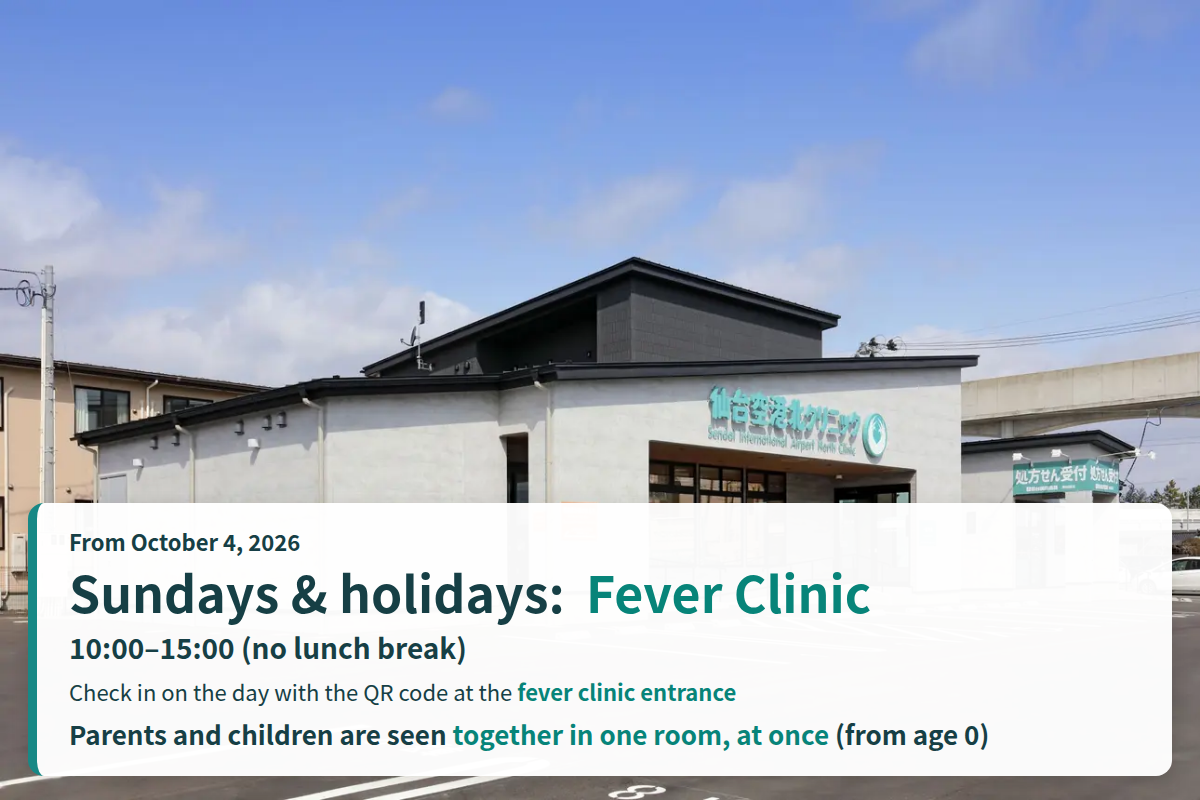
First, a note about our fever clinic on Sundays and national holidays. PCR testing for influenza and COVID (a test that copies the virus’s genetic material in order to detect it) gives results the same day.
From October 4, 2026, we also run the fever clinic on Sundays and national holidays
10:00 to 15:00 (no lunch break). You check in on the day. We give you the PCR result the same day. On Sundays and holidays we see fever patients only, and we do not offer general outpatient care or IV drips. Please check the clinic calendar for clinic dates and closed days. Notice: fever clinic on Sundays and national holidays
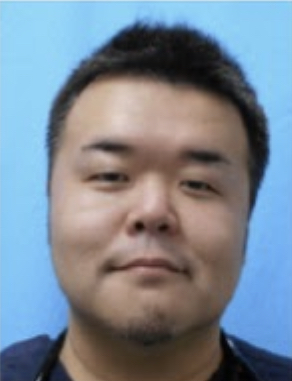
Shunichi Gamo, MD, PhD
Director, Sendai International Airport North Clinic
Born and raised locally, he attended Yuriage Elementary School and Yuriage Junior High School in Natori City. After graduating from Tohoku University School of Medicine, he worked at Sendai Open Hospital and Kesennuma City Hospital, and then at Tohoku University Hospital. In April 2021, in the middle of the COVID-19 pandemic, he opened Sendai International Airport North Clinic. Holding to a fever clinic that never turns patients away, he cared for well over 20,000 patients with fever in the two years before COVID-19 was moved to Class 5 under Japan’s infectious disease law.
Society memberships and board certifications
Certified Member and Board Certified Fellow, Japanese Society of Internal Medicine
Board Certified Pulmonologist, Japanese Respiratory Society
Board Certified Allergist, Japanese Society of Allergology
Board Certified Specialist, Japanese Society of Anti-Aging Medicine
PhD in Medicine (Tohoku University)
In short: Which signs should you watch for with influenza encephalopathy?
The main first nervous-system symptoms of influenza encephalopathy are three: impaired consciousness, seizures, and abnormal speech or behavior[1]. Watch for these three as follows.
- Impaired consciousness
Your child answers strangely when you call out, is dazed, or responds slowly. This is the most important sign among the nervous-system symptoms of encephalopathy[1] - Seizures
The body shakes, or the arms and legs go stiff. What needs the most attention is consciousness after the seizure has stopped[1] - Abnormal speech or behavior
Saying someone is there who is not, mistaking people they know well, saying things that make no sense, suddenly getting angry or bursting into tears, and so on[1]
If you clearly feel that even one of the three is “not like usual”, see a doctor the same day. If your child does not seem fully conscious or is having a seizure, call 119 without hesitating.
 Dr. Gamo
Consciousness, seizures, and words and behavior: please start by remembering these 3.
What are the first symptoms of influenza encephalopathy: impaired consciousness, seizures and abnormal speech or behavior?
Influenza encephalopathy is a syndrome that starts suddenly and whose main symptom is impaired consciousness[1]. In many cases, this impaired consciousness is at least as severe as somnolence (drowsiness with slow response when called) or delirium (saying confused, meaningless things), and lasts 12 to 24 hours or more[1]. This is a definition used for diagnosis; it is not a length of time for which it is safe to wait and see.
Abnormal speech or behavior as an early warning symptom (a symptom that comes before the illness fully begins) includes the following[1].
- Not recognizing their parents, or saying someone is there who is not
- Not being able to tell food from things that are not food, such as biting their own hand
- Reporting visual hallucinations, such as seeing cartoon characters, elephants or lions
- Saying words that make no sense, or slurred speech
- Suddenly getting angry, bursting into tears, or starting to sing loudly
Known examples of behavior that can lead to accidents include “had put on shoes and gone outside” and “tried to jump from a high place”[1].
Let us look at how common illnesses with these symptoms are. In a nationwide survey of 983 cases reported as acute encephalopathy over the 3 years from 2007 to 2010, the most common preceding infection was influenza virus[2]. A 2014 to 2017 survey also reported 1,115 cases of acute encephalopathy from 267 facilities[3]. However, these reports do not show what proportion of children with influenza develop encephalopathy, and encephalopathy is a rare complication.
The course varies: it can be life-threatening or leave lasting disabilities, while some types recover with a mild course[2]. That is exactly why it is important to notice early and see a doctor early.
Dr. GamoA usually healthy child says someone is there who isn’t. That alone matters. Even if you can’t explain it, trust that “not like usual” feeling.
How do febrile seizures and influenza encephalopathy differ?
Among febrile seizures, the simple type meets all three of these conditions: (1) it stops within 15 minutes, (2) it does not repeat, and (3) it affects both sides of the body equally[1]. In contrast, seizures that come with influenza encephalopathy are fundamentally different from febrile seizures[1].
What needs the most attention is impaired consciousness after the seizure has stopped[1]. Even if the seizure was short, act quickly if your child does not regain consciousness or stays dazed afterwards.
Dr. GamoAfter the seizure stops, please check whether your child answers as usual when you call them.
| What to look at | Simple febrile seizure | Complex type, or encephalopathy suspected |
|---|---|---|
| Duration | Within 15 minutes[1] | Long, or does not stop |
| Repeating | Does not repeat[1] | Repeats |
| Left-right difference | Equal on both sides[1] | Unequal between the sides |
| Consciousness after the seizure | Returns fairly quickly | Does not return, or gets worse[1] |
Even with the simple type, referral to a medical facility is recommended if there is abnormal speech or behavior[1]. Also, with a complex seizure it can be hard to tell it apart from encephalopathy, so a visit to a doctor is considered necessary whether or not there is impaired consciousness[1]. In addition, influenza makes febrile seizures more likely even in older children, so age should not be used to judge[1].
How to handle a febrile seizure itself at home is summarized in the related article Febrile Seizure in a Child: What to Do for 5 Minutes, and When to Call 119.
How does abnormal behavior with anti-influenza medicines differ from abnormal behavior with encephalopathy?
The Ministry of Health, Labour and Welfare states that, although abnormal behavior has been reported after taking anti-influenza antiviral medicines, a causal link between taking the medicine and abnormal behavior is unclear[4]. It has been reported that similar abnormal behavior appears even when no medicine was taken, and regardless of the type of medicine taken[4].
The package insert for oseltamivir (Tamiflu) also says, “Cases of abnormal behavior during influenza have been reported regardless of whether, or which type of, medicine was taken”[5]. The package insert lists psychiatric and neurological symptoms and abnormal behavior as serious side effects of unknown frequency[5].
In other words, you cannot tell at home whether abnormal behavior is “caused by the medicine or by encephalopathy”. The doctor follows the course to judge whether it is due to the medicine, febrile delirium (a state in which fever makes the child dazed and say things that do not make sense), or something progressing to encephalopathy[1].
What you can do at home is prevent accidents. Whether or not antiviral medicine is taken, and whatever type it is, parents are asked to take steps to prevent accidents such as falls for at least 2 days from the start of the fever[4][5]. Suggested steps include locking windows and the front door, having the child sleep on the ground floor if possible, and not leaving the child alone[4].
Abnormal behavior with influenza and Tamiflu is explained in detail in the related article Child’s Flu: Abnormal Behavior and Tamiflu.
Dr. GamoBefore wondering if it is the medicine, prevent accidents first. Then, if odd behavior continues or your child responds slowly, get help quickly.
Which signs mean you need help quickly? 119, the emergency department, or the same day
Call 119 right away
If even one of the following is present, call 119 without hesitating, however high or low the fever. The same applies at night and on holidays.
- Your child does not answer when you call out, or is drowsy and confused (not fully conscious)
- Your child is having a seizure, or does not regain consciousness after a seizure
- Your child seems to struggle to breathe, is breathing with heaving shoulders, or has bluish lips
Go to an emergency department the same day, even at night or on a holiday
In the following cases, do not wait until morning; go to an emergency department, even at night or on a holiday. If your child is in distress and cannot be moved, call 119.
- The seizure has stopped, but your child responds slowly or seems dazed[1]
- Abnormal speech or behavior continues or keeps coming back[1]
- Your child can hardly drink, or has not passed urine for half a day or more
If unsure, call #8000 (children’s emergency advice line)
If you “cannot decide whether it is serious enough to call 119”, you can call the children’s emergency advice line (#8000). It connects you to the service for the area where you live. However, if there are clear danger signs, call 119 directly without calling an advice line first.
Dr. Gamo#8000 connects you to the service in your area. Please remember it for when you are unsure.
See a doctor the same day (or the next morning if it is night), for example at a fever clinic
Even if consciousness and breathing are fine, in the following cases do not wait too long; see a doctor.
- Your child spoke or behaved unusually with the fever
- Your child had a seizure (especially a long one, or one that repeated)[1]
- Your child is limp and listless, or has trouble drinking
- A seizure or abnormal speech or behavior appeared soon after the fever started
If your child’s condition changes during the night, go back to the “119” and “emergency department” guides above at that moment and decide again.
Can the influenza vaccine prevent encephalopathy?
The influenza vaccine has not been proven to directly prevent encephalopathy itself or to keep it from becoming severe[1]. However, it is thought to reduce the sources of infection and the number of people who catch influenza, and in turn the number of people with encephalopathy, and it is considered the most efficient means of prevention at present[1].
The Ministry of Health, Labour and Welfare also states that the vaccine has a certain effect in preventing illness and is also expected to help prevent severe illness after onset[4]. A study of children under 6 in the 2015/16 season reported an effectiveness of 60% in preventing illness[4]. Influenza can cause serious complications such as pneumonia and encephalopathy, leading to hospital admission or death, so prevention is important[4].
Dr. GamoThe vaccine is not proven to prevent encephalopathy directly, but with fewer people catching the flu, it is thought to reduce encephalopathy too.
How can you care for your child at home, and why does an early visit matter?
When the fever is high and your child is uncomfortable, a fever reducer can bring the fever down. Acetaminophen (such as Calonal) is the fever reducer normally used[1]. However, the right medicine depends on the cause and age, so use it as your doctor instructs, and avoid using over-the-counter medicines on your own judgment. A body temperature above 40°C is considered a sign of a poor outcome, and medical facilities actively work to bring the fever down[1]. The clinical guidelines list aspirin, diclofenac and mefenamic acid as contraindicated (not to be used), so do not use previously prescribed or over-the-counter medicines on your own judgment[1].
On the choice of fever reducer, a past nationwide survey reported the use of a fever reducer used at that time (diclofenac) as one of the factors linked to death[6]. This report looked back at data from patients in the past and does not show cause and effect, but it is safest to check with a doctor or pharmacist before using a fever reducer.
The point of seeing a doctor early is early diagnosis and intensive care[1]. When encephalopathy is suspected, medical facilities carry out tests such as imaging and EEG (brain wave tests), and consider treatment suited to the condition[1]. There are reports that the outcome was better when steroids were given within 24 hours of onset, so early action is considered important[1].
When caring for your child, give fluids often, dress them lightly so they do not get too hot, and let them rest. Also, writing down changes in consciousness, seizures and speech or behavior gives the doctor an important clue at the visit.
Dr. GamoA quick scribble of any changes you notice is fine. Writing them down helps at the visit.
Frequently asked questions
- My child had a seizure with a fever. Can I tell at home whether it is a febrile seizure or encephalopathy?
-
It is hard to tell at home. A simple febrile seizure lasts 15 minutes or less, does not repeat and is equal on both sides[1], but with encephalopathy the most important thing to watch is impaired consciousness after the seizure[1]. If your child is having a seizure, or does not regain consciousness or stays dazed after it stops, call 119; if seizures are short but repeat, or there is abnormal speech or behavior, see a doctor.
- My child has been acting strangely since taking Tamiflu. Should we stop the medicine?
-
Abnormal behavior has been reported regardless of whether, or which type of, antiviral medicine was taken, and a causal link is considered unclear[4][5]. Do not stop the medicine on your own judgment; first prevent accidents (lock doors and windows, do not leave your child alone, and so on)[4], and if abnormal speech or behavior continues or your child responds slowly, see a doctor. In an emergency, call 119.
- The fever has gone down, but my child seems dazed. Should we see a doctor?
-
Yes. In encephalopathy, impaired consciousness early after onset may ease once and then get worse later[1]. Even if the fever has gone down, if your child responds strangely when called or is drowsy and confused, see a doctor the same day, and if there are 119 signs, call 119 without hesitating.
- If my child has had the vaccine, can influenza encephalopathy be prevented?
-
A direct preventive effect on encephalopathy has not been proven[1]. However, the vaccine is thought to reduce the number of people infected and in turn reduce encephalopathy, and it is considered the most efficient means of prevention at present[1]. The Ministry of Health, Labour and Welfare says the vaccine is expected to help prevent illness and keep it from becoming severe[4].
- My child showed abnormal speech or behavior in the middle of the night. Can we wait until morning?
-
If your child does not seem fully conscious, is having a seizure, or does not regain consciousness after a seizure, do not wait for morning; call 119. Even if it is not that serious, if abnormal speech or behavior continues or keeps coming back, go to an emergency department, even at night or on a holiday. If you are unsure, you can also use the children’s emergency advice line (#8000).
- Can my child be seen for a fever on Sundays and national holidays?
-
Yes. We also run the fever clinic on Sundays and national holidays from 10:00 to 15:00 (no lunch break). You check in on the day using the QR code at the fever clinic entrance. Please check the calendar for open days. On Sundays and holidays we do not offer general outpatient care or IV drips.
Summary: Watch for changes in consciousness, seizures, and speech or behavior
- Influenza encephalopathy starts with impaired consciousness, seizures and abnormal speech or behavior, so watch for these three
- Call 119 if your child does not seem fully conscious, is having a seizure, does not regain consciousness after a seizure, or seems to struggle to breathe
- Whether or not antiviral medicine is taken, prevent accidents caused by abnormal behavior for 2 days from the start of the fever
- If abnormal speech or behavior continues or keeps coming back, go to an emergency department, even at night or on a holiday. If unsure, call #8000
- The vaccine is not proven to prevent encephalopathy directly, but it is the most efficient means of prevention, as it reduces infection
The first person to notice that a child with influenza is “not like usual” is the parent who is closest to them. Please tell us exactly what you noticed. Leave the medical care to us.
That’s all.
Disclaimer
This article is intended to provide general medical information and does not replace an examination, diagnosis, or treatment by a doctor. The content is based on medical knowledge at the time of publication, but the right course of action differs for each person. If you are worried about symptoms, please consult a medical facility.
References
- Research Group on Responses to Pandemic Influenza and Other Diseases, Japan Agency for Medical Research and Development (AMED) research grant. Clinical guidelines for influenza encephalopathy. Japanese Society of Child Neurology website (in Japanese). February 2018. Accessed October 2026. https://www.childneuro.jp/uploads/files/about/influenzaencephalopathy2018.pdf
- Hoshino A, Saitoh M, Oka A, Okumura A, Kubota M, Saito Y, et al. Epidemiology of acute encephalopathy in Japan, with emphasis on the association of viruses and syndromes. Brain Dev. 2012 May;34(5):337-43. doi:10.1016/j.braindev.2011.07.012 PMID: 21924570
- Kasai M, Shibata A, Hoshino A, Maegaki Y, Yamanouchi H, Takanashi JI, et al. Epidemiological changes of acute encephalopathy in Japan based on national surveillance for 2014-2017. Brain Dev. 2020 Aug;42(7):508-514. doi:10.1016/j.braindev.2020.04.006 PMID: 32360071
- Ministry of Health, Labour and Welfare. Q&A on comprehensive measures against acute respiratory infections (ARI) for winter FY2026. Ministry of Health, Labour and Welfare website (in Japanese). Accessed October 2026. https://www.mhlw.go.jp/stf/seisakunitsuite/bunya/kenkou_iryou/kenkou/kekkaku-kansenshou/infulenza/QA2026.html
- Chugai Pharmaceutical. Tamiflu Capsules 75 package insert (revised October 2024, 2nd edition). Pharmaceuticals and Medical Devices Agency (PMDA), prescription drug package insert information (in Japanese). Accessed October 2026. https://www.pmda.go.jp/PmdaSearch/iyakuDetail/ResultDataSetPDF/450045_6250021M1027_1_40
- Nagao T, Morishima T, Kimura H, Yokota S, Yamashita N, Ichiyama T, et al. Prognostic factors in influenza-associated encephalopathy. Pediatr Infect Dis J. 2008 May;27(5):384-9. doi:10.1097/INF.0b013e318162a13b PMID: 18398388
▶ Overview of this topic: Fever clinic on Sundays and national holidays (from October 4, 2026, 10:00 to 15:00)
More articles to read when you have a fever
For what to do during a febrile seizure, see Febrile Seizure in a Child: What to Do for 5 Minutes, and When to Call 119, and for abnormal behavior with influenza, see Child’s Flu: Abnormal Behavior and Tamiflu.