
If you are in a hurry
- Since COVID-19 became a Category 5 infectious disease, staying home is not a legal obligation but a recommendation from the Ministry of Health, Labour and Welfare
- Count the day symptoms start as Day 0 and stay home for 5 days. If symptoms continue on Day 5, keep staying home until about 24 hours after they improve
- Your employer’s rules take priority at work. If you have trouble breathing or similar signs, go to an emergency department or call 119 (Japan’s emergency number), regardless of the number of days
Hello. I am Shunichi Gamo, MD, PhD, a board-certified pulmonologist and the director of Sendai Airport North Clinic.
When I tell patients at the fever clinic that they have tested positive for COVID-19, almost without fail the question I get is this:
“Doctor, when can I go back to work?”
Since COVID-19 became a Category 5 infectious disease in May 2023, there has been no legal rule about how many days to stay home. That leaves the decision to you, and quite a few people find that more confusing.
Let me give you the answer first. The guideline from the Ministry of Health, Labour and Welfare is “Count the day symptoms start as Day 0 and stay home for 5 days. If symptoms continue on Day 5, keep staying home until about 24 hours after they improve”[1]. Up to Day 10, it also recommends precautions such as wearing a mask and avoiding contact with older adults.
In this article I explain how to count this guideline, how it differs from the rule for staying home from school, and what to watch for when going back to work, including data from published studies.
First, a note about our fever clinic on Sundays and holidays. PCR tests (tests that copy the virus’s genetic material so it can be detected) for influenza and COVID-19 give results the same day.
From October 4, 2026, our fever clinic is also open on Sundays and holidays
10:00 to 15:00 (no lunch break). No appointment is needed; you register by checking in on the day. We tell you the PCR result the same day. On Sundays and holidays we run the fever clinic only, with no general outpatient care and no IV drips. We are closed on Sunday, October 25. From November, we are generally open every Sunday and on holidays. Notice about the Sunday and holiday fever clinic
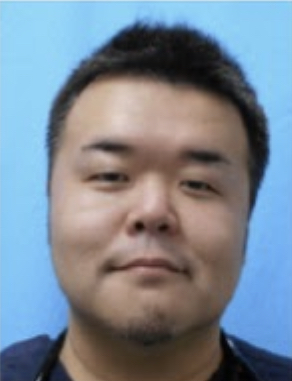
Shunichi Gamo, MD, PhD
Director, Sendai International Airport North Clinic
Born and raised locally, he attended Yuriage Elementary School and Yuriage Junior High School in Natori City. After graduating from Tohoku University School of Medicine, he worked at Sendai Open Hospital and Kesennuma City Hospital, and then at Tohoku University Hospital. In April 2021, in the middle of the COVID-19 pandemic, he opened Sendai International Airport North Clinic. Holding to a fever clinic that never turns patients away, he cared for well over 20,000 patients with fever in the two years before COVID-19 was moved to Class 5 under Japan’s infectious disease law.
Society memberships and board certifications
Certified Member and Board Certified Fellow, Japanese Society of Internal Medicine
Board Certified Pulmonologist, Japanese Respiratory Society
Board Certified Allergist, Japanese Society of Allergology
Board Certified Specialist, Japanese Society of Anti-Aging Medicine
PhD in Medicine (Tohoku University)
[Conclusion] For COVID-19 and work, the guideline is 5 days after onset, then 24 hours after symptoms improve
Here is the Ministry of Health, Labour and Welfare guideline in a rough table[1].
| Period | Ministry of Health, Labour and Welfare guideline |
|---|---|
| Onset day | Counted as Day 0 (if you have no symptoms, Day 0 is the day the sample that tested positive was taken) |
| Day 0 to Day 5 | Staying home is recommended. If you must go out, check that you have no symptoms and make sure to wear a mask and take similar precautions |
| If symptoms continue on Day 5 | Stay home and watch how you do until the fever is down and symptoms such as phlegm and sore throat have improved for about 24 hours |
| Until Day 10 | You may still be shedding the virus, so it is recommended to wear a non-woven mask and avoid contact with people at higher risk of severe illness (becoming so ill that hospital care is needed, for example for pneumonia), such as older adults |
| If cough and other symptoms continue after Day 10 | Keep up cough etiquette, such as wearing a mask |
Here, “symptoms improved” means the fever is down and symptoms such as phlegm and sore throat are getting better. Please do not count a state in which a fever reducer is just holding the fever down as “improved.” The Ministry of Health, Labour and Welfare also urges people to talk to a doctor if symptoms are severe[1].
Please note that surprisingly many people count the onset day as Day 1. I also explain how to count the days in detail in the article on counting from the onset date.
What changed when COVID-19 became Category 5? From an “obligation” to a “recommendation”
Since May 8, 2023, patients with COVID-19 are no longer asked to stay home under the law. Whether to stay home is left to each person’s own judgment[1].
Before the change to Category 5, people with symptoms were asked to stay home for “7 days after onset and 24 hours after symptoms improved.” For people who tested positive without symptoms, it was 7 days, unless an antigen test (a test that quickly checks for pieces of the virus) on Day 5 was negative. The guideline after the change is the “5 days” above, and it does not include confirming a negative result by testing[1].
However, “no obligation” does not mean “fine to go straight back to work.” The Ministry of Health, Labour and Welfare also asks the people around you and employers to respect each person’s own judgment[1]. A workplace atmosphere where it is easy to take time off matters too.
Why “5 days” after onset? Research on how long the coronavirus is shed
The Ministry of Health, Labour and Welfare explains that people are said to shed virus capable of infecting others from 2 days before onset to 7 to 10 days after onset[1]. In particular, the amount shed is very high for the first 3 days after onset, and it drops sharply after Day 5.
Let us look at the numbers from published studies.
- This is a report of a systematic review (a study that gathers and evaluates research by a set method) and meta-analysis (a method that pools the numbers from several studies and recalculates them). It analyzed 79 studies and 5,340 people. Viral genetic material was detected in the throat and nose for an average of 17.0 days, but no study detected “live virus” beyond Day 9 after onset[2]
- In a Japanese study, vaccinated people with mild or no symptoms who were infected with the Omicron variant shed infectious virus until 6 to 9 days after onset (diagnosis). In some cases it was shed even after symptoms had gone[3]
- In a study of 55 health care workers in Turkey who were not severely ill, the proportion in whom the virus could be cultured (a method of growing live virus to confirm it) was 83% on Day 5 after onset, 52% on Day 7 and 13.5% on Day 10[4]
- In a US university study that tested 92 people every day, 17% were still culture-positive beyond Day 5 after onset, and the latest case was on Day 12[5]. However, most people had turned negative by Day 6[5]
In fact, PCR tests also react to fragments of the virus’s genetic material. So even when PCR is positive, there may be no ability left to infect others. Conversely, as in the studies above, some people stay infectious for a while even after their symptoms have gone.
To sum up, after Day 5 the ability to pass on the virus drops sharply but is not zero. The numbers vary with who was studied, the methods used and the country, so no one can draw a line and say “after this day it is absolutely safe.” That is why the Ministry of Health, Labour and Welfare guideline calls for masks and consideration for older adults until Day 10.
 Dr. Gamo
Many people are surprised and ask, “My fever is gone. Can I still pass it on?” Wearing a mask for the first few days after you return to work protects your colleagues.
For children, schools follow “regulations” and nurseries follow “guidelines”
Unlike adult workplaces, schools have a period of suspended attendance set by the Enforcement Regulations of the School Health and Safety Act[6].
“Until five days have passed since onset and one day has passed since symptoms improved”
This means: count the onset day as Day 0 and Days 1 to 5 are days off, and count the day symptoms improved as Day 0 and Day 1 is also a day off. Your child can go back to school from the day when both are met. The Ministry of Health, Labour and Welfare also presents this regulation alongside the guideline for adults[1]. For nurseries, the same guideline for returning is given in the “Guidelines for Infectious Disease Control in Nursery Facilities” from the Children and Families Agency (a national manual on how to respond)[7]. These guidelines explain “symptoms improved” as “the fever has gone down without a fever reducer and respiratory symptoms are getting better”[7]. They also state that nurseries do not need to ask for a negative test certificate when a child returns[7]. Detailed procedures differ by nursery, so please check with yours as well.
| Adults (workplace) | Children (school) | |
|---|---|---|
| Type of rule | Recommendation from the Ministry of Health, Labour and Welfare (not an obligation) | Suspension of attendance under the Enforcement Regulations of the School Health and Safety Act |
| Guideline for time off | 5 days, counting the onset day as Day 0. If symptoms continue on Day 5, until about 24 hours after they improve | Until 5 days have passed since onset and 1 day has passed since symptoms improved |
| Final decision | Employer’s rules | The school (suspension of attendance) |
What to keep in mind when going back to work after COVID-19
Your employer’s rules take priority at work
The day you return to work and how many days you take off are decided by your employer’s work rules and company policy. Use the Ministry of Health, Labour and Welfare guideline above as a reference, but first check your employer’s rules.
Medical institutions and facilities for older adults in particular are workplaces with many people at risk of severe illness. The Ministry of Health, Labour and Welfare asks such facilities to consider restricting work for infected staff[1]. Be sure to check each facility’s own rules.
Confirming a negative result is not part of the guideline after the move to Category 5
Some people consult me because they are told, “Come back to work after confirming you are negative.” As we have seen, the Ministry of Health, Labour and Welfare guideline after the move to Category 5 is based on the number of days and symptoms, and does not include confirming a negative result by testing[1].
As mentioned, PCR can stay positive for a while even after you have recovered. Waiting for a negative result could mean taking more time off than necessary. If you are asked for a certificate or similar, please first talk it over carefully with your employer.
Don’t push yourself after you return
Even after the fever goes down, tiredness, cough, shortness of breath and poor concentration can remain. In its guidance for employers, the Ministry of Health, Labour and Welfare says that it is desirable for the return to work to be gentle and lighter in burden, for example with shorter working hours or remote work[8]. If you have not fully recovered, please do not hesitate to talk to your workplace.
With COVID-19, in these cases get care or advice regardless of the number of days
More important than “has it been 5 days?” is how your symptoms are changing. If any of the following applies, go to an emergency department or call 119 (Japan’s emergency number), even at night or on a holiday.
- You are short of breath, breathing very fast, breathing with your shoulders, or your lips look purplish
- You are confused, slow to respond when called, or limp and unable to move
- You cannot take any fluids and are passing almost no urine
If it is not an emergency but one of the following applies, please contact a fever clinic or your family doctor the same day.
- A fever that had gone down comes back up, or the fever is hard to bear even after Day 5
- The cough is gradually getting worse, or you have chest pain
- You are 65 or older, have a chronic illness (asthma, COPD, diabetes, heart or kidney disease and so on), or are pregnant, and your symptoms are hard to bear
- Tiredness, cough or shortness of breath drag on after the fever goes down and you cannot go back to work
What if a family member tests positive for COVID-19?
If a family member tests positive, the Ministry of Health, Labour and Welfare advises you to watch your own health closely, especially for 5 days, counting the positive person’s onset day as Day 0[1]. You can develop symptoms up to Day 7.
During this time, wear a mask, wash your hands, ventilate the room, and avoid contact with people at higher risk of severe illness, such as older adults. For what to do if you develop a fever yourself after a family member tests positive, please see this article.
How to use our fever clinic [no appointment needed, open Sundays and holidays too]
The fever clinic at Sendai Airport North Clinic (Mitazono, Natori City) does not use appointments for a set time. We see patients through a pre-visit questionnaire and same-day check-in. Our clinic has a policy of not refusing anyone who wants to come to the fever clinic (depending on the symptoms, we may direct you to a more suitable medical institution).
| Day | Hours |
|---|---|
| Mon, Tue, Wed, Fri, Sat | 9:00 to 12:00 / 14:00 to 18:00 |
| Sundays and holidays (from October 4, 2026) | 10:00 to 15:00 (no lunch break, fever clinic only) |
| Thursday | Closed |
On Sundays and holidays we are open from 10:00 to 15:00. We are closed on Sunday, October 25, and from November we are generally open every Sunday and on holidays. On Sundays and holidays we run only the fever clinic, with no general outpatient care and no IV drips. For details, please see the Notice about the Sunday and holiday fever clinic.
At our fever clinic we run PCR tests on site and give you the result the same day. When you visit, please tell us when the fever started (the onset day) and whether anyone in your family or workplace has tested positive.
How a visit works
You register by checking in on the day, using the QR code at the fever clinic entrance (a square pattern that you scan with your smartphone camera). When your turn is near, we call you by SMS (a text message sent to a mobile phone number) or by phone.
- Before you arrive, fill in the pre-visit questionnaire (optional; you can also fill it in when you check in at the entrance)
- Scan the QR code at the fever clinic entrance and check in by choosing “I have arrived, check me in” (required)
- On weekdays, once you have checked in, please wait in your car
- On Sundays and holidays, after you check in, we confirm your insurance card (My Number insurance card, certificate of eligibility, and so on) at the general outpatient entrance. Because general outpatient care is not offered on Sundays and holidays, please feel free to come in. After the confirmation, please wait in your car or similar
- When your turn is near, we call you by SMS or phone. Press the intercom at the fever clinic entrance and tell us your name
For details, please see About the pre-visit questionnaire and same-day check-in for the fever clinic.
Frequently asked questions
- If I get COVID-19, how many days does the law require me to stay home?
-
Since May 8, 2023, people are no longer asked to stay home under the law. The Ministry of Health, Labour and Welfare recommends staying home for 5 days, counting the onset day as Day 0, and if symptoms continue on Day 5, staying home until about 24 hours after they improve.
- How do I count the onset day?
-
Count the day symptoms appeared as Day 0. For example, if the fever starts on Monday, Monday is Day 0 and Day 5 is Saturday. The guideline is to stay home through Saturday. If you have no symptoms, Day 0 is the day the sample that tested positive was taken.
- I still have a cough on Day 5. When can I go to work?
-
Under the Ministry of Health, Labour and Welfare guideline, if symptoms continue on Day 5, you stay home and watch how you do until the fever is down and symptoms such as phlegm and sore throat have improved for about 24 hours. In the end, please follow your employer’s rules.
- Do I need a negative certificate to go back to work?
-
The Ministry of Health, Labour and Welfare guideline after the move to Category 5 is based on the number of days and symptoms, and does not include confirming a negative result by testing. PCR can stay positive for a while even after you have recovered. If your employer asks for one, please first talk it over with them.
- How long do I need a mask after going back to work?
-
The Ministry of Health, Labour and Welfare says you may still be shedding the virus until 10 days have passed since onset, and recommends wearing a non-woven mask and avoiding contact with people at higher risk of severe illness, such as older adults.
Summary [For work, the guideline is 5 days after onset, with precautions until Day 10]
- Since the move to Category 5, staying home is not a legal obligation but a recommendation from the Ministry of Health, Labour and Welfare
- Count the day symptoms start as Day 0 and stay home for 5 days. If symptoms continue on Day 5, keep staying home until about 24 hours after they improve
- Until Day 10, take precautions such as wearing a non-woven mask and avoiding contact with people at higher risk of severe illness, such as older adults
- For school, suspension of attendance lasts “until five days have passed since onset and one day has passed since symptoms improved”
- Your employer’s rules take priority at work. If you have trouble breathing or similar signs, go to an emergency department or call 119 (Japan’s emergency number), regardless of the number of days
Even if you think “my fever is gone, so I’m fine,” a little ability to pass on the virus can remain. In rough terms, this is all you need: stay home for 5 days, if symptoms remain wait until about 24 hours after they improve, and protect those around you with a mask for the first few days after you return. If you are unsure about how you feel, please leave the medical side to us.
That’s all.
Disclaimer
This article is intended to provide general medical information and does not replace an examination, diagnosis or treatment by a doctor. The content is based on medical knowledge at the time of publication, but the right approach differs from person to person. If you are worried about your symptoms, please consult a medical institution.
References
- Ministry of Health, Labour and Welfare. Response after COVID-19 was reclassified as a Category 5 infectious disease (in Japanese). Ministry of Health, Labour and Welfare website. Accessed October 2026. https://www.mhlw.go.jp/stf/corona5rui.html
- Cevik M, Tate M, Lloyd O, Maraolo AE, Schafers J, Ho A. SARS-CoV-2, SARS-CoV, and MERS-CoV viral load dynamics, duration of viral shedding, and infectiousness: a systematic review and meta-analysis. Lancet Microbe. 2021 Jan;2(1):e13-e22. doi:10.1016/S2666-5247(20)30172-5 PMID: 33521734
- Takahashi K, Ishikane M, Ujiie M, Iwamoto N, Okumura N, Sato T, et al. Duration of Infectious Virus Shedding by SARS-CoV-2 Omicron Variant-Infected Vaccinees. Emerg Infect Dis. 2022 May;28(5):998-1001. doi:10.3201/eid2805.220197 PMID: 35290176
- Keske Ş, Güney-Esken G, Vatansever C, Beşli Y, Kuloğlu ZE, Nergiz Z, et al. Duration of infectious shedding of SARS-CoV-2 Omicron variant and its relation with symptoms. Clin Microbiol Infect. 2023 Feb;29(2):221-224. doi:10.1016/j.cmi.2022.07.009 PMID: 35853589
- Bouton TC, Atarere J, Turcinovic J, Seitz S, Sher-Jan C, Gilbert M, et al. Viral Dynamics of Omicron and Delta Severe Acute Respiratory Syndrome Coronavirus 2 (SARS-CoV-2) Variants With Implications for Timing of Release from Isolation: A Longitudinal Cohort Study. Clin Infect Dis. 2023 Feb;76(3):e227-e233. doi:10.1093/cid/ciac510 PMID: 35737948
- Ministry of Education. Enforcement Regulations of the School Health and Safety Act (Ministry of Education Ordinance No. 18 of 1958), Article 19 (in Japanese). e-Gov Law Search. Accessed October 2026. https://laws.e-gov.go.jp/law/333M50000080018
- Children and Families Agency. Guidelines for Infectious Disease Control in Nursery Facilities (2018 revision, partially revised in May 2023 and partially corrected in October 2023) (in Japanese). Children and Families Agency. 2023. https://www.mhlw.go.jp/content/10900000/20231010_policies_hoiku_25.pdf
- Ministry of Health, Labour and Welfare. Q&A on the novel coronavirus (for businesses) (in Japanese). Ministry of Health, Labour and Welfare website. Accessed October 2026. https://www.mhlw.go.jp/stf/seisakunitsuite/bunya/kenkou_iryou/dengue_fever_qa_00007.html
Related articles to read when you have a fever
For the Sunday and holiday fever clinic, see the Notice about the Sunday and holiday fever clinic. For how to come in, see About the pre-visit questionnaire and same-day check-in for the fever clinic.