
Quick answer
- Check your temperature first. Thermometers are sold at Japanese drugstores, and they read in degrees Celsius.
- Watch for danger signs. Call 119, Japan’s ambulance number [1], if you have trouble breathing, chest pain, confusion, or blue lips, or if a baby has pauses in breathing.
- A mild cough with no danger signs can often start at a drugstore pharmacist. Fever, breathing symptoms, worsening illness, or risk factors point to a clinic — ideally one with a separate fever/respiratory entrance.
- A PCR panel can detect influenza, COVID-19, Mycoplasma (a bacterium that causes stubborn coughs) and whooping cough; results may help guide treatment but do not decide it alone.
- Keep every receipt and ask for a medical certificate if you plan to claim on travel insurance.
What could a sudden cough be?
A sudden cough in a traveller is most often caused by a virus. Common culprits include the common cold viruses (rhinovirus and similar viruses), influenza (the flu), COVID-19, RSV (respiratory syncytial virus) and human metapneumovirus [2][3][10]. Bacteria can also cause it. One example is Mycoplasma pneumoniae, a bacterium known for a long, dry cough; Japan has seen periods with many cases and with strains resistant to macrolide antibiotics (a common antibiotic family) [4][5]. Another is pertussis (whooping cough), where macrolide-resistant strains have been reported in Japan, including in infants with severe disease [6][7][8][9]. These trends change from year to year, so what matters for you is your own symptoms and a test when a doctor thinks one is needed.
Coughs are not always infections. Dry cabin or winter air, cold air, smoke, an asthma or allergy flare, post-nasal drip (mucus running down the back of the throat) and some blood-pressure medicines (ACE inhibitors) can all trigger a cough.
Patterns give clues, but they never replace a doctor’s assessment [10]. Sudden fever, body aches and cough suggest influenza [2]. Coughing fits with a whooping sound or vomiting after coughing suggest pertussis. A persistent dry cough in a young adult with a mild fever suggests Mycoplasma. Wheeze (a whistling sound when breathing out) suggests asthma. Rare but serious causes also exist: pneumonia (a lung infection), and a pulmonary embolism (a blood clot in the lung) after a long flight. Sudden breathlessness, chest pain, or a swollen, painful calf are warning signs. If you have only a cough with no fever, or fever and cough together, we cover those situations in separate dedicated guides.
What should I do first?
Measure your temperature and note the time. What counts as a fever varies, so go by how you feel and how high your temperature is compared with your normal.
Write a short note before you see anyone. It saves time and avoids misunderstanding:
- When the cough started, and whether it is dry or brings up phlegm.
- Fever, sore throat, runny nose, breathlessness, wheeze, chest pain, body aches, loss of taste or smell, or vomiting after coughing.
- People you were near who were sick, recent flights, chronic conditions, pregnancy, and the medicines you take.
Wear a mask in shared spaces — this is customary in Japan. Rest, drink fluids, and avoid smoke.
Choosing where to go:
- Drugstore pharmacist: mild symptoms, no fever, no danger signs. Some combination cold medicines cannot be sold unless a pharmacist is present [1].
- Clinic: fever, a cough that is worsening or lasts beyond a few days, high-risk people, children under 2, or if you need documents for insurance.
Call ahead or check the clinic website first. Some clinics, including the fever clinic described below, ask feverish patients to use a separate entrance or to follow check-in instructions on arrival. The JNTO Japan Visitor Hotline (24 hours a day, in English, Chinese and Korean) can help you find medical care in your language [1].
When to see a doctor, and when is it an emergency?
Call 119 (say “kyūkyū” if you need the ambulance service) for any of these [1]:
- Difficulty breathing, or breathlessness at rest.
- Chest pain, or persistent pain or pressure in the chest.
- Coughing up blood.
- Confusion or extreme drowsiness.
- Blue or grey lips.
- In infants: pauses in breathing, turning blue during coughing fits, poor feeding, or signs of dehydration.
- Sudden breathlessness with calf swelling after a long flight (possible blood clot in the lung).
See a doctor the same day if any of these apply [2][3]:
- Fever with cough in anyone at higher risk: age 65 or older, pregnancy, children under 5 (especially under 2), or chronic heart, lung, kidney or immune conditions.
- A high or persistent fever.
- Wheeze.
- Coughing fits with a whooping sound or vomiting after coughing.
- Symptoms that worsen after they had started to improve.
- A cough that is not improving after several days.
Facilities differ in how quickly they can see you, so call ahead rather than expecting a fixed waiting time.
How is a sudden cough diagnosed, and why does it matter?
Diagnosis starts with your history and a physical examination — listening to the chest and checking your oxygen saturation with a pulse oximeter (a small clip-on device that measures oxygen in the blood) [10]. Tests can add detail:
- Rapid antigen tests (quick swab tests for viral proteins) for influenza or COVID-19.
- Multiplex PCR (a test that looks for the genetic material of many germs at once) — one nasal swab checked for several respiratory viruses and some bacteria.
- Chest X-ray or blood tests, mainly when pneumonia is suspected.
Why the result matters: influenza antivirals work best when started as early as possible [2]. COVID-19 antivirals are considered for higher-risk patients [3]. Mycoplasma and pertussis need specific antibiotics. Most viral coughs need no antibiotics at all, and knowing the cause helps the doctor avoid giving them unnecessarily [10][11]. Results can also guide isolation, decisions about flying, and how to protect your travel companions.
Know the limits: a negative test does not rule everything out. A PCR can detect a virus such as rhinovirus that may not be the whole story. A panel does not assess pneumonia severity or replace a chest X-ray when one is needed. Panels differ in which germs they cover, so ask which germs a clinic’s panel includes. No test is 100% accurate, and test results alone do not decide treatment — the doctor puts the whole picture together [10].
How is it treated in Japan? Prescription vs drugstore medicines
For most coughs, the base treatment is simple: rest, fluids, and humidified air [2][10]. On top of that:
Prescription medicines
Prescription medicines require a doctor’s prescription and cannot be bought at a drugstore:
- Fever or pain: acetaminophen (paracetamol) is a usual first choice; it is sold over the counter at drugstores and also prescribed by doctors.
- Influenza antivirals: oseltamivir (Tamiflu) and baloxavir (Xofluza). A doctor decides whether you need one; studies comparing baloxavir and oseltamivir suggest baloxavir can shorten virus shedding with fewer adverse events in outpatients, but the choice depends on your situation [12].
- COVID-19 antivirals: prescription oral antivirals may be considered for eligible, higher-risk patients, and the doctor decides whether one is suitable for you. Ask early, because timing matters — see our COVID-19 guide.
- Mycoplasma and pertussis: macrolide antibiotics such as azithromycin or clarithromycin. In adults, doctors may instead choose tetracyclines (doxycycline or minocycline) or fluoroquinolones — particularly relevant because macrolide-resistant Mycoplasma responds poorly to macrolides [5].
- Cough and phlegm: prescription cough suppressants and expectorants exist, but evidence that they work well for acute cough is weak, so doctors use them selectively [10].
- Asthma-type cough: inhaled medicines prescribed by a doctor, after proper evaluation [13].
Drugstore (OTC) medicines
Drugstores sell over-the-counter cold and cough products. Japanese combination products often mix several ingredients, so read the label or ask the pharmacist — especially about driving, pregnancy, children, and any medicines you take regularly [1]. Note two important distinctions:
- A drugstore sells OTC products; a dispensing pharmacy fills prescriptions from a doctor.
- Antibiotics and antivirals generally need a doctor’s prescription. If you have a fever and a worsening cough, a doctor’s visit is the way to get them — a pharmacist can confirm what is available without a prescription.
Antiviral and antibiotic decisions belong to the doctor, not to self-treatment [10].
Travel-specific points: flying, companions, children and insurance
Flying
If you are unwell, check your airline’s policy before going to the airport, consider wearing a mask, and see a doctor before flying if you are short of breath. Follow any current local guidance about resting and avoiding contact with others while you have symptoms [3]; our fever-before-flight guide covers fitness to fly in detail.
Companions
Watch your travel companions for symptoms. Whooping cough can be most dangerous for infants, so seek medical advice promptly if someone in your group has whooping cough, especially if a baby is nearby [6][7].
Children
Children’s dosing is by weight and age, set by the doctor. Do not give codeine- or dihydrocodeine-containing medicine to young children, and do not give aspirin to children with flu-like illness. Do not give honey to infants under 1 year. Ask a doctor or pharmacist before giving any medicine to a child.
Insurance
Keep all receipts, including the medicine information sheet, and ask for an English medical certificate stating the diagnosis and, if your insurer requires them, ICD-10 codes; check your insurer’s claim deadline, as reimbursement depends on your policy [1]. Our travel insurance documents guide explains exactly which papers to obtain.
Frequently asked questions
Can I just buy cough medicine at a Japanese drugstore?
Yes, for mild symptoms. Japanese OTC products often combine several ingredients, so ask the pharmacist and read the label carefully. Antibiotics and antivirals generally need a doctor’s prescription.
Do I need to take a COVID-19 or flu test?
It depends on your symptoms and risk. A test matters most when the result would change treatment, such as starting influenza antivirals early or identifying an infection that needs specific antibiotics. Ask the doctor whether a test is worthwhile for you.
Can I get antibiotics without seeing a doctor?
Generally no. Antibiotics are prescription-only in Japan. Most acute coughs are viral and do not need antibiotics, which is one reason the rule exists.
Is it safe to fly home with a cough?
A mild cough without breathlessness is usually tolerable, but check your airline’s policy and remember you may expose others. If you are short of breath, see a doctor before flying, and consider wearing a mask on the plane.
Can my child be seen?
Yes. Many clinics, including fever clinics, see children. Doses for children are calculated by weight and age, so a doctor should assess the child rather than adjusting adult medicines. Some clinics ask family members with fever to be seen together.
What documents do I need for travel insurance?
Keep all receipts, including the pharmacy receipt and the medicine information sheet. Ask for an English medical certificate with the diagnosis and, if your insurer requires them, ICD-10 codes. Check your insurer’s claim deadline before you fly home.
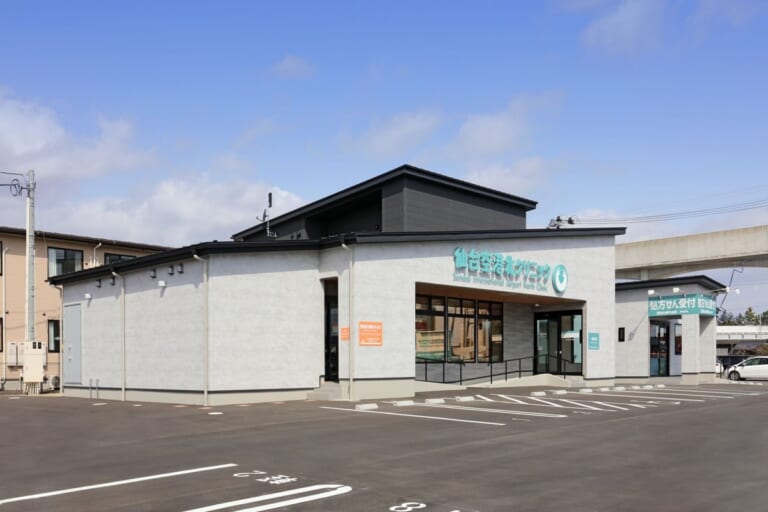
If you are near Sendai Airport
Sendai International Airport North Clinic, 8-1-8 Mitazono, Natori, Miyagi, is about 10 minutes by car from Sendai International Airport. The director, Shunichi Gamo, M.D., Ph.D., is board certified in internal medicine, pulmonology (Japanese Respiratory Society) and allergology (Japanese Society of Allergology).
The clinic runs a fever clinic with its own entrance. You check in the same day with a QR code at the fever clinic entrance; no advance arrangement is needed, and the check-in page is available in English, Traditional Chinese, Simplified Chinese and Korean.
How arrival works: scan the QR code at the fever clinic entrance, then enter your name, phone number and date of birth on the check-in page and answer the questions.
- With a Japanese phone number, follow the wait and call instructions shown after check-in.
- With a foreign phone number only, follow the check-in confirmation. On regular clinic days, press the intercom at the fever clinic entrance and give your name. Then ask staff where to wait and how they will let you know when it is your turn. On Sundays and national holidays, ask staff when they check your documents at the regular-clinic entrance — the regular clinic does not run those days, and insurance status is confirmed at that entrance.
The order of examinations follows the check-in order in principle, but it may change with the severity of symptoms.
Fever clinic hours: Monday, Tuesday, Wednesday, Friday and Saturday, 10:00–12:00 and 14:30–18:00; Sundays and Japanese national holidays, 10:00–15:00. Closed Thursdays. Check the calendar on the clinic page for holidays. Telephone: 022-797-9523.
Children from age 0 are seen, and family members with fever can be seen together in the same room by the same doctor at one visit.
For visitors without Japanese health insurance, the clinic offers a flat fee of USD 700, charged in yen at the day’s rate, by card or cash. It covers an English consultation and the BioFire SpotFire R Panel, a multiplex PCR (a test that looks for the genetic material of many germs at once) done from one nasal swab. The test runs about 15 minutes. It covers 11 viruses (SARS-CoV-2, influenza A including H1-2009 and H3, influenza B, RSV, human metapneumovirus, adenovirus, parainfluenza virus, rhinovirus/enterovirus, seasonal coronavirus) and 4 bacteria (Mycoplasma pneumoniae, Chlamydia pneumoniae, Bordetella pertussis, Bordetella parapertussis). It also covers a same-day English medical certificate with ICD-10 codes for travel insurance, and a prescription if needed. Medicines are paid separately at the pharmacy next door. Note that group A streptococcus is not on the panel. People living in Japan with Japanese health insurance are seen under insurance at the regular fever clinic; the flat fee does not apply.
References
- For safe travels in Japan – Guide for when you are feeling ill | Japan : the Official Guide
- Influenza (seasonal) — World Health Organization
- Coronavirus disease (COVID-19) — World Health Organization
- Kawakami N, et al. Epidemiology of macrolide-resistant Mycoplasma pneumoniae by age distribution in Japan. Journal of Infection and Chemotherapy 2021.
- Oishi T, Ouchi K. Recent Trends in the Epidemiology, Diagnosis, and Treatment of Macrolide-Resistant Mycoplasma pneumoniae. Journal of Clinical Medicine 2022.
- Taniguchi K, et al. Clinical and Microbiological Characteristics of macrolide-resistant Bordetella pertussis Infection: A case series in Osaka, Japan (2024–2025). Journal of Infection and Chemotherapy 2026.
- Obara T, et al. Localized Outbreak of Macrolide-Resistant Pertussis in Infants, Japan, March–May 2025. Emerging Infectious Diseases 2026.
- Kakita T, et al. Multiclonal Dissemination of ptxP3 Allele Macrolide-Resistant Bordetella pertussis in Okinawa, Japan. Japanese Journal of Infectious Diseases 2026.
- Iwasaki T, et al. Fatal case of macrolide-resistant Bordetella pertussis infection, Japan, 2024. Journal of Infection and Chemotherapy 2025.
- Holzinger F, et al. The diagnosis and treatment of acute cough in adults. Deutsches Ärzteblatt International 2014.
- Brittain-Long R, et al. Access to a polymerase chain reaction assay method targeting 13 respiratory viruses can reduce antibiotics: a randomised, controlled trial. BMC Medicine 2011.
- Shiraishi C, et al. Comparison of clinical efficacy and safety of baloxavir marboxil versus oseltamivir as the treatment for influenza virus infections: A systematic review and meta-analysis. Journal of Infection and Chemotherapy 2024.
- Johnstone KJ, et al. Inhaled corticosteroids for subacute and chronic cough in adults. Cochrane Database of Systematic Reviews 2013.