If you are in a hurry
- If pain that feels like tightening or pressure in the center of the chest lasts 2 to 3 minutes, call 119 (Japan’s emergency number) right away for an ambulance[1]
- Also call 119 for sudden severe pain in the chest or back, sudden shortness of breath, loss of consciousness[1][2], or a seizure
- In women, older people, and people with diabetes, atypical symptoms such as shortness of breath, nausea, or pain in the back or teeth are common[3][4]
Hello. I am Shunichi Gamo, MD, PhD, a board-certified pulmonologist and the director of Sendai Airport North Clinic.
“My chest feels tight.” “There is pressure in the middle of my chest.” When pain like this starts, are you thinking of driving yourself or taking a taxi to the hospital? In fact, for symptoms that suggest a heart problem, guidelines call for an ambulance rather than driving yourself[3].
“It will probably settle if I rest a little.”
Before you think that and wait to see, there is something I want you to know. Chest pain can hide a life-threatening disease[3].
To get straight to the point, if tightness or pressure in the center of the chest lasts 2 to 3 minutes, or there is sudden severe pain in the chest or back, sudden shortness of breath, or loss of consciousness, call 119 for an ambulance without hesitation[1][2]. The same applies if the person is having a seizure. It is important to call for an ambulance rather than driving yourself to a doctor[3][4].
In this article, I explain the warning signs of 3 dangerous causes of chest pain: acute coronary syndrome, aortic dissection, and pulmonary embolism. I also explain how the symptoms can look different in women, older people, and people with diabetes, and when to call 119 and when to use an advice line.
First, a note about our fever clinic on Sundays and national holidays. PCR testing for influenza and COVID (a test that copies the virus’s genetic material in order to detect it) gives results the same day.
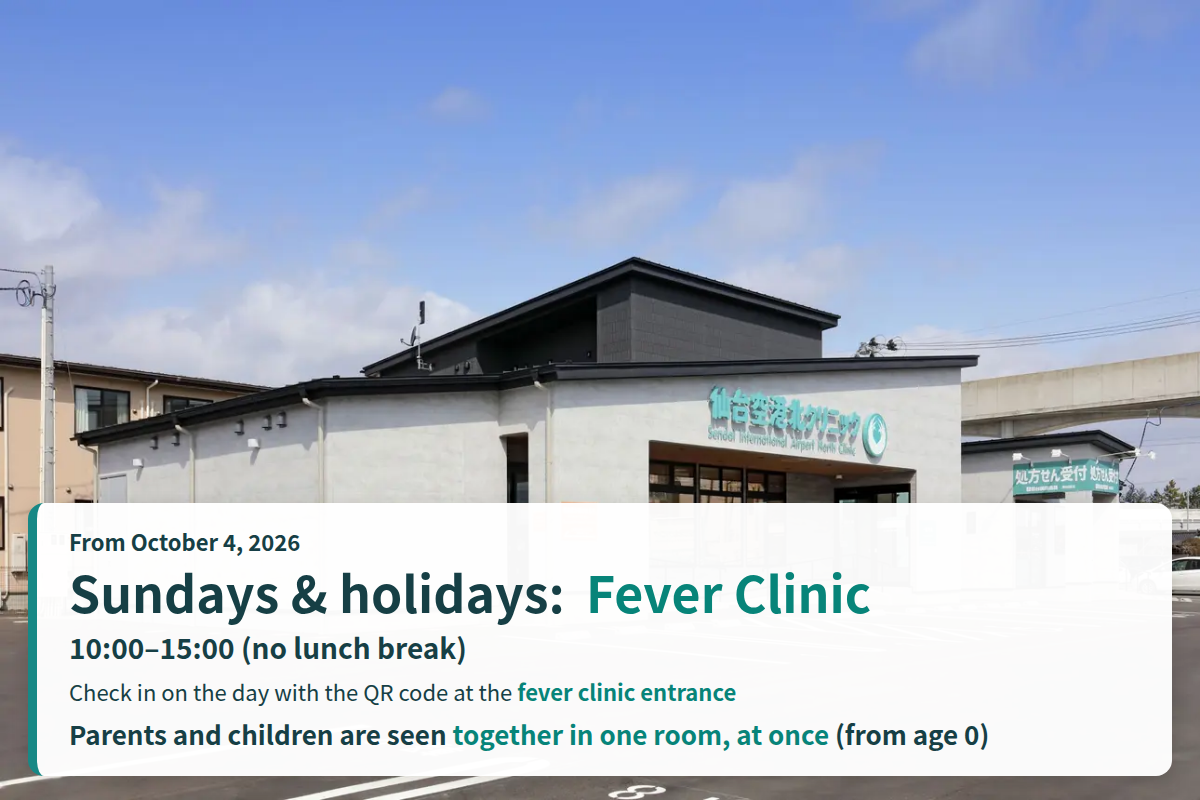
From October 4, 2026, we also run the fever clinic on Sundays and national holidays
10:00 to 15:00 (no lunch break). You check in on the day. We give you the PCR result the same day. On Sundays and holidays we see fever patients only, and we do not offer general outpatient care or IV drips. Please check the clinic calendar for clinic dates and closed days. Notice: fever clinic on Sundays and national holidays
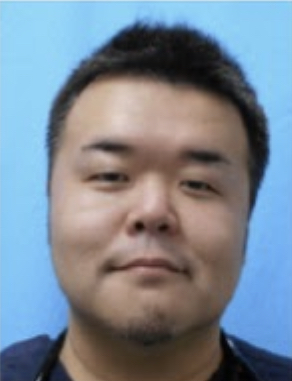
Shunichi Gamo, MD, PhD
Director, Sendai International Airport North Clinic
Born and raised locally, he attended Yuriage Elementary School and Yuriage Junior High School in Natori City. After graduating from Tohoku University School of Medicine, he worked at Sendai Open Hospital and Kesennuma City Hospital, and then at Tohoku University Hospital. In April 2021, in the middle of the COVID-19 pandemic, he opened Sendai International Airport North Clinic. Holding to a fever clinic that never turns patients away, he cared for well over 20,000 patients with fever in the two years before COVID-19 was moved to Class 5 under Japan’s infectious disease law.
Society memberships and board certifications
Certified Member and Board Certified Fellow, Japanese Society of Internal Medicine
Board Certified Pulmonologist, Japanese Respiratory Society
Board Certified Allergist, Japanese Society of Allergology
Board Certified Specialist, Japanese Society of Anti-Aging Medicine
PhD in Medicine (Tohoku University)
In short: which signs of chest pain in adults mean you should call 119?
The bottom line is simple. If even one of the signs in the list below the table applies, call 119 for an ambulance right away[1][2]. The same goes at night and on holidays.
| Suspected disease | Typical signs |
|---|---|
| Acute coronary syndrome (ACS) | Tightness or pressure in the center of the chest, cold sweat, pain spreading to the shoulder or arm[1][3] |
| Aortic dissection | Sudden severe pain in the chest or back[5] |
| Pulmonary embolism | Sudden shortness of breath, difficulty breathing[1][6]. It may come with chest pain, or swelling and pain in one leg[6] |
The list below the table is based on the symptoms for which the adult ambulance-use leaflet published by the Fire and Disaster Management Agency (FDMA) says “call an ambulance right away”[1]. The Ministry of Health, Labour and Welfare also urges: “If you judge that it is highly urgent, call for an ambulance without hesitation!”[2].
- Pain in the center of the chest that feels like tightening or pressure, lasting 2 to 3 minutes[1]
- Sudden severe pain[1]
- Pain that moves from place to place[1]
- Sudden shortness of breath, difficulty breathing[1]
- Severe nausea with cold sweat[1]
- Unconscious (no response), or drowsy and confused[1]
- Having a seizure (especially if the seizure does not stop, or consciousness does not return after it stops[1])
For older people, “pain that started after a trip or similar” is also listed as a sign not to miss[1].
 Dr. Gamo
For older people, pain that started after a trip or similar is also an important clue.
What if pain like tightening or pressure in the center of the chest continues?
This is a typical sign of acute coronary syndrome (ACS), in which the blood vessels of the heart become blocked[3]. The FDMA leaflet says to call an ambulance right away if tightness or pressure in the center of the chest lasts 2 to 3 minutes[1].
The Japanese Circulation Society guideline also clearly states that if symptoms suggesting ACS appear, the patient should not go to a medical facility on their own but must call 119 immediately and request an ambulance[3].
According to the guideline, chest pain from angina usually lasts a few minutes and at most 15 to 20 minutes, and if it lasts 20 minutes or more and its character suggests ACS, acute myocardial infarction (AMI) is likely[3]. The “Guidelines for Emergency Resuscitation 2025 (for citizens)” by the Cardiopulmonary Resuscitation Committee of the Japan Foundation for Emergency Medicine also state that if symptoms suggesting acute myocardial infarction last a long time (20 minutes or more), you must call 119 as quickly as possible[4].
Dr. GamoThese times are not a cutoff for how many minutes to wait. Even if short pains keep coming back, or after the pain has settled, it is important to see a doctor.
The National Cerebral and Cardiovascular Center says the situation is dangerous when there is chest pain or pressure strong enough to cause cold sweat, symptoms lasting 15 minutes or more, or symptoms that ease and worsen repeatedly and gradually get worse[7].
Time can decide between life and death. Treatment of acute myocardial infarction is said to be effective within 2 hours of onset[4]. About 2 in 3 people who have a heart attack are reported to have had unstable angina, shortness of breath, or fatigue a few days to a few weeks before it[7].
So if chest pain or pressure unlike anything you have had before keeps coming and going, see a cardiologist urgently[8]. If it is treated at the warning-sign stage, treatment can be safer[8]. However, if tightness or pressure in the center of the chest lasts 2 to 3 minutes, or symptoms suggesting acute myocardial infarction last 20 minutes or more, call 119 instead of going to a doctor yourself[1][4].
What about sudden severe pain in the chest or back?
It may be aortic dissection. In most cases, aortic dissection strikes suddenly, without any warning, with severe pain in the chest or back[5].
According to the National Cerebral and Cardiovascular Center, especially in type A, where the dissection reaches the ascending aorta, the death rate is said to rise by 1% every hour. In other words, about half of patients die within 48 hours[5].
Aortic dissection is sometimes first suspected to be impaired consciousness from a stroke, or found only after treatment for a suspected acute myocardial infarction has begun[5].
The National Cerebral and Cardiovascular Center states: “None of the diseases that cause sudden severe pain in the chest or back can be safely watched and waited out, so you need to call an ambulance as quickly as possible, go to a medical facility, and get treatment”[5]. Tell the paramedics and doctors about even minor symptoms[5].
Dr. GamoPlease tell the paramedics or the doctor about anything that concerns you, however small.
What about sudden shortness of breath or chest pain?
It may be pulmonary embolism (so-called economy class syndrome). When you stay in the same position for a long time, a blood clot (deep vein thrombosis) can form in a leg vein. In pulmonary embolism, part of that clot travels in the bloodstream and blocks a blood vessel in the lungs[6].
Dr. GamoShortness of breath or chest pain after staying in the same position for a long time is a sign we would like you to remember.
The Ministry of Health, Labour and Welfare urges people to see a doctor promptly if shortness of breath when walking, chest pain, brief loss of consciousness, or swelling or pain in one leg appears[6].
Sudden shortness of breath and difficulty breathing are signs for which the FDMA says “call an ambulance right away”[1]. The same applies when pulmonary embolism is suspected: if the person is unconscious or severely breathless, call 119. If shortness of breath when walking, chest pain, or swelling in one leg appears after a long time in the same position, see a doctor promptly[6].
Do symptoms look different in women, older people, and people with diabetes?
Yes. Atypical symptoms are often seen, especially in older patients, patients with diabetes, and women[3].
According to the guideline, older people may report shortness of breath as a symptom of myocardial ischemia. General fatigue, loss of appetite, fainting, or a lowered level of consciousness may be the only symptom[3].
As accompanying symptoms, cold sweat is common in men, and nausea, vomiting, and a feeling of breathlessness are common in women[3]. Pain spreading to the jaw, neck, shoulders, upper abdomen, back, or arms is also seen more often in women[3].
The Guidelines for Emergency Resuscitation 2025 say that, especially in older people, the symptoms may be mild, such as having no appetite or no energy. In people with diabetes, too, symptoms can be hard to recognize, for example only slight breathlessness[4]. Besides the chest, symptoms can appear in the back, the left shoulder or arm, or the area around the stomach (the pit of the stomach), and may be mistaken for muscle pain, stiff shoulders, or a stomach or bowel problem[4]. Some people even go to a dentist because of an aching feeling in the teeth or jaw[4].
The guideline also says that ACS must not be ruled out on the character of the pain alone[3]. You cannot feel reassured just because your chest does not hurt or the pain is mild.
In a large US registry study, 33% of patients diagnosed with myocardial infarction had no chest pain when they arrived at hospital[9]. In another registry study, the share of people who arrived without chest pain was 42.0% in women and 30.7% in men, higher in women[10]. These are US data, not Japanese figures, but they show that chest pain may be absent.
Dr. GamoDon’t hold back either when you feel that something is “different from usual” or “not right.” Besides the symptoms listed, the FDMA leaflet also adds “when something is different from usual, or the person does not seem right” to its list of symptoms[1].
Don’t drive yourself; call 119. What if you are unsure?
If symptoms suggesting ACS appear, call 119 instead of driving yourself to a doctor[3].
The Guidelines for Emergency Resuscitation 2025 also say that people tend to hold back, saying “An ambulance is too much, don’t call one,” and head to hospital in their own car or a taxi. However, their condition may worsen on the way, so they should use an ambulance[4]. Even while waiting for the ambulance crew, a person who was talking normally can suddenly have their heart stop from an arrhythmia and lose consciousness[4].
Dr. GamoI understand holding back because an ambulance feels like too much. But things can get worse on the way.
If even one of the following applies, call 119 without hesitation.
- No answer when you call to them, or drowsy and confused[1]
- Having a seizure (especially if the seizure does not stop, or consciousness does not return after it stops[1])
- Sudden shortness of breath, difficulty breathing[1] (including severe breathlessness)
- Pain like tightening or pressure in the center of the chest, lasting 2 to 3 minutes[1]
- Sudden severe pain in the chest or back[1]
- Pain that moves from place to place[1]
- Severe nausea with cold sweat[1]
If none of these applies but you just feel uneasy, consult the emergency advice line (#7119 or similar) or your family doctor[1]. However, when there are clear signs, there is no need to call an advice line first.
“2 to 3 minutes” is not a guide to how long you should wait. If there is severe pain, cold sweat, breathlessness, or anything wrong with consciousness, call 119 without timing it. When chest pain continues, think first of calling an ambulance, before seeing a doctor.
Frequently asked questions
- My chest pain settled within a few minutes. Do I need to see a doctor?
-
Even if it has settled, I recommend seeing a doctor. Short bouts of pain can be a warning sign of a heart attack, and if it is treated at the warning-sign stage, treatment can be safer[8]. If the pain keeps coming and going, see a cardiologist urgently[8]. If tightness or pressure in the center of the chest lasts 2 to 3 minutes, or symptoms suggesting acute myocardial infarction last 20 minutes or more, call 119 instead of going to a doctor yourself[1][4].
- Is it not all right to drive myself to the hospital?
-
With symptoms suggesting ACS, the patient should not go to a medical facility on their own but must call 119 immediately and request an ambulance[3]. This is because the condition may worsen on the way, and a person who was talking normally can suddenly have their heart stop from an arrhythmia[4]. Do not drive yourself; call 119.
- I heard that women sometimes do not get chest pain.
-
In a US registry study, the share of people who arrived at hospital without chest pain was 42.0% in women and 30.7% in men[10]. In women, nausea, vomiting, and breathlessness are common, and pain spreading to the jaw, neck, shoulders, upper abdomen, back, or arms is also often seen[3]. Please be careful, because there may be only nausea, vomiting, or breathlessness[4].
- My elderly parent only says they feel “short of breath.” Could it be the heart?
-
Older people may report shortness of breath as a symptom of myocardial ischemia, and general fatigue, loss of appetite, fainting, or a lowered level of consciousness may be the only symptom[3]. Sudden shortness of breath and difficulty breathing are signs to call 119[1]. If their answers when you call to them seem off, or they are severely breathless, call 119 without hesitation.
- I also have a fever and a cough, and my chest hurts when I breathe in.
-
Even with a fever or cough, you cannot conclude that the chest pain is not caused by a disease of the heart or blood vessels. ACS must not be ruled out on the character of the pain alone[3]. If breathlessness is severe, consciousness seems off, or there is sudden severe pain, call 119. For fever, cough, and chest pain, please also see the article on tests for pneumonia.
- What should I do if I am unsure whether to call 119?
-
If you are unsure whether to call 119, consult the emergency advice line (#7119 or similar) or your family doctor[1]. However, if the person is unconscious, having a seizure, suddenly short of breath, or the chest tightness continues, call 119 without stopping to ask for advice first.
Summary: With chest pain, “if in doubt, call 119”
- If pain that feels like tightening or pressure in the center of the chest lasts 2 to 3 minutes, call 119 right away for an ambulance[1]
- Also call 119 for sudden severe pain in the chest or back, sudden shortness of breath, loss of consciousness[1][2], or a seizure
- In women, older people, and people with diabetes, atypical symptoms such as shortness of breath, nausea, or pain in the back or teeth are common[3][4]
- When short bouts of pain keep coming back, and even after the pain settles, you need to see a cardiologist[8]
- Do not drive yourself; call for an ambulance[3][4]
You cannot tell the cause of chest pain by yourself. That is exactly why the decision to call 119 first protects you and your family. There are also advice services for when you are unsure. Leave the medical care to us.
That’s all.
Disclaimer
This article is intended to provide general medical information and does not replace an examination, diagnosis, or treatment by a doctor. The content is based on medical knowledge at the time of publication, but the right course of action differs for each person. If you are worried about symptoms, please consult a medical facility.
References
- Fire and Disaster Management Agency, Ministry of Internal Affairs and Communications. Use ambulances wisely: when do you need an ambulance? (published October 2025). Fire and Disaster Management Agency website (in Japanese). Accessed October 2026. https://www.fdma.go.jp/publication/portal/items/portal002_japanese.pdf
- Ministry of Health, Labour and Welfare. In these cases, call 119 without hesitation. Smart Ways to Use Medical Care (in Japanese). Accessed October 2026. https://kakarikata.mhlw.go.jp/kakaritsuke/urgency.html
- Japanese Circulation Society, Japanese Coronary Association, Japanese Association for Thoracic Surgery, Japanese Association of Cardiovascular Intervention and Therapeutics, Japanese College of Cardiology, Japanese Society of Intensive Care Medicine, et al. Guidelines on Acute Coronary Syndrome (2018 revised edition). Japanese Circulation Society website (in Japanese). Accessed October 2026. https://www.j-circ.or.jp/cms/wp-content/uploads/2018/11/JCS2018_kimura.pdf
- Cardiopulmonary Resuscitation Committee, Japan Foundation for Emergency Medicine (supervising ed.). Guidelines for Emergency Resuscitation 2025 (for citizens). Japan Foundation for Emergency Medicine website (in Japanese). Accessed October 2026. https://qqzaidan.jp/wp-content/uploads/2026/09/shishin2025_shimin_teisei_0910.pdf
- National Cerebral and Cardiovascular Center Hospital. Aortic aneurysm and aortic dissection. National Cerebral and Cardiovascular Center website (in Japanese). Accessed October 2026. https://www.ncvc.go.jp/hospital/pub/knowledge/disease/aortic-aneurysm_dissection/
- Ministry of Health, Labour and Welfare. About deep vein thrombosis/pulmonary embolism (so-called economy class syndrome). Ministry of Health, Labour and Welfare website (in Japanese). Accessed October 2026. https://www.mhlw.go.jp/file/06-Seisakujouhou-10600000-Daijinkanboukouseikagakuka/0000121801.pdf
- National Cerebral and Cardiovascular Center, Department of Coronary Artery Disease. Acute coronary syndrome. National Cerebral and Cardiovascular Center website (in Japanese). Accessed October 2026. https://www.ncvc.go.jp/coronary2/disease/acute_coronary/index.html
- Japanese Circulation Society. Don’t miss the warning signs, so that a heart attack does not cost you your life! (STOP MI campaign). Japanese Circulation Society website (in Japanese). Accessed October 2026. https://www.j-circ.or.jp/old/topics/files/stop-mi_p1.pdf
- Canto JG, Shlipak MG, Rogers WJ, Malmgren JA, Frederick PD, Lambrew CT, et al. Prevalence, clinical characteristics, and mortality among patients with myocardial infarction presenting without chest pain. JAMA. 2000 Jun;283(24):3223-9. doi:10.1001/jama.283.24.3223 PMID: 10866870
- Canto JG, Rogers WJ, Goldberg RJ, Peterson ED, Wenger NK, Vaccarino V, et al. Association of age and sex with myocardial infarction symptom presentation and in-hospital mortality. JAMA. 2012 Feb;307(8):813-22. doi:10.1001/jama.2012.199 PMID: 22357832
▶ Overview of this topic: Tests for pneumonia (fever and cough with chest pain when breathing in)
More articles to read when you have chest pain
For chest pain with a fever or cough, please also see the article below. If you are unsure whether you can see a doctor on a Sunday or national holiday, see the article on feeling unwell on Sundays and national holidays.