If you are in a hurry
- There is no “starting temperature” for our fever clinic. If you have symptoms that could mean an infection, you are welcome to be seen
- Trouble breathing, altered consciousness, a stiff neck, a rash that does not fade when pressed, or a temperature of 38°C or higher under 3 months of age means the emergency room or 119 (Japan’s emergency number)
- If a fever lasts 3 days, or comes down and then goes up again, see a doctor even if you feel well
Hello. I am Shunichi Gamo, MD, PhD, a board-certified pulmonologist and the director of Sendai Airport North Clinic.
When a fever strikes, the first thing people wonder is
“At what temperature can I go to a fever clinic?”
To give you the conclusion first: our fever clinic has no rule about “starting at what temperature”. Even with a temperature in the 37s, or no fever at all, if you have symptoms that could mean an infection, such as a cough or sore throat, you are eligible for the fever clinic.
What matters more than “what temperature” is judging “should I go to the emergency room right now?” or “should I be seen today?” In this article, as a lung specialist, I sort out those guidelines by age and situation in a straightforward way.
Since October 4, 2026, our fever clinic is also open on Sundays and holidays
10:00 to 15:00 (no lunch break). No appointment is needed; we accept patients by same-day check-in. We give you your PCR test result the same day. On Sundays and holidays we run the fever clinic only, with no general outpatient care and no IV drips. We are closed on Sunday, October 25, and from November we are generally open every Sunday and holiday. Announcement: fever clinic on Sundays and holidays
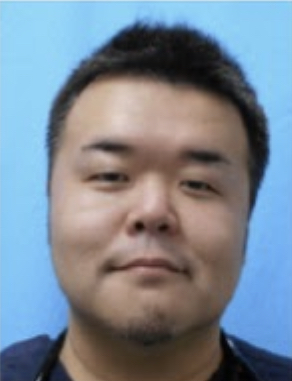
Shunichi Gamo, MD, PhD
Director, Sendai International Airport North Clinic
Born and raised locally, he attended Yuriage Elementary School and Yuriage Junior High School in Natori City. After graduating from Tohoku University School of Medicine, he worked at Sendai Open Hospital and Kesennuma City Hospital, and then at Tohoku University Hospital. In April 2021, in the middle of the COVID-19 pandemic, he opened Sendai International Airport North Clinic. Holding to a fever clinic that never turns patients away, he cared for well over 20,000 patients with fever in the two years before COVID-19 was moved to Class 5 under Japan’s infectious disease law.
Society memberships and board certifications
Certified Member and Board Certified Fellow, Japanese Society of Internal Medicine
Board Certified Pulmonologist, Japanese Respiratory Society
Board Certified Allergist, Japanese Society of Allergology
Board Certified Specialist, Japanese Society of Anti-Aging Medicine
PhD in Medicine (Tohoku University)
Does the temperature decide how fast you should be seen? [The short answer] The whole picture matters more than the thermometer number
In general, a temperature of 37.5°C or higher is often called a “fever,” but the number alone does not decide how quickly you should be seen. For example,
- An adult who has a 40°C fever but can drink fluids and talk normally
- An infant or young child at 38°C who is breathing fast and looks pale
In this comparison, the second is far more urgent. What you should watch is breathing, consciousness (responsiveness), fluids, and skin color, and also “how many days the fever has lasted.”
 Dr. Gamo
The thermometer number is just “entry-level information.” In the exam room, I too look first at breathing, skin color, how a person speaks, and how they respond, before the number.
[Emergency room or 119 right now] Do not wait if you see these signs
If even one of the following applies, go to an emergency department or call 119 instead of going to a fever clinic. This is the same at night and on holidays.
- Trouble breathing, very rapid breathing, heaving shoulders when breathing, or bluish lips
- Altered consciousness, a dull response when called, or being so limp that the person cannot move
- A stiff neck that cannot be bent forward, a severe headache, or sensitivity to light, which may point to meningitis
- A rash of purple or dark-red dots that does not fade when pressed has appeared
- A seizure lasts 5 minutes or more, or consciousness does not return after it stops
- A baby under 3 months old has a temperature of 38°C or higher
- The person cannot take any fluids at all and has not passed urine for half a day or more
- Breathing in which the chest or the area below the throat sucks in deeply (in children)
- If you have a pulse oximeter, a reading of 93% or lower that persists (a guide for adults; for children, put the look of their breathing ahead of the number)
When to be seen at a fever clinic the same day
It may not be an emergency, but in the following situations do not wait too long; please be seen the same day.
- You have a temperature of 38°C or higher with marked fatigue, joint pain, muscle aches, or loss of appetite
- You cannot take much fluid, or you are passing little urine
- The fever has lasted 3 days or more, or a fever that had come down has gone up again
- You have a severe sore throat, or white pus on the tonsils
- Influenza, COVID-19, or similar illnesses are going around in your family, workplace, or school
- You have an underlying condition (such as asthma, COPD, diabetes, or heart or kidney disease), you are pregnant, or you are elderly
* Our clinic is closed on Thursdays, and on Sundays and holidays we are open 10:00 to 15:00 and cannot give IV drips. If you cannot take fluids and are limp, go to a medical facility that can give IV drips.
Both “right after the fever starts” and “a fever that drags on” matter
The time right after a fever starts is important when considering antiviral drugs for influenza (within 48 hours of onset is the guide). On the other hand, when a fever lasts 3 days or more, we need to check whether something other than an ordinary cold is hiding behind it (a bacterial infection, mycoplasma, pneumonia, or, in children, Kawasaki disease). Do not put it off thinking “it’s lingering, but I feel fine”; please see a doctor without waiting until day 4.
Dr. GamoIt is easy to put things off because the person seems well, but a fever that keeps going is itself an important clue.
When to be seen, by age and situation
Babies under 3 months old: at 38°C or higher, be seen right away
Babies at this age have immature defenses, and a serious bacterial infection, such as meningitis, sepsis (a life-threatening reaction to infection), or a urinary tract infection, may be present even when the baby looks well. Do not wait and watch because “the baby is still nursing” or “looks fine”; be seen right away, even at night or on a holiday.
3 months to 5 years: think in “traffic light colors”
For this age group, the “traffic light (green, amber, red)” approach in the UK NICE guideline is easy to follow [1]. The table below is an excerpt and paraphrase of its main items, in a form that is easy to use at home.
| What to check | Green (low risk) | Amber (medium risk) | Red (high risk) |
|---|---|---|---|
| Temperature | None of the amber or red signs | 39°C or higher (3 to 6 months old) | 38°C or higher (under 3 months old) |
| Breathing | As usual | Breathing fast, nostrils flaring | Very fast, grunting or labored breathing, chest sucking in deeply |
| Fluids and urine | Drinks as usual | Drinking less, passing little urine | Skin is slow to spring back when pinched (poor elasticity) |
| Responsiveness and energy | Smiles and plays as usual | Does not smile, lacks energy, does not wake unless firmly roused | No response, does not wake even when roused, weak or high-pitched cry that cannot be soothed |
| Skin color | As usual | Pale, color returns in 3 seconds or more after pressing a nail | Mottled, ashen gray, or bluish-purple; tiny dots of bleeding that do not fade when pressed |
| Other | – | Fever for 5 days or more | Stiff neck, bulging soft spot on top of a baby’s head (the fontanelle), seizure lasting 5 minutes or more |
As a guide, if even one “red” sign is present, go to an emergency department; if there is an “amber” sign, be seen the same day. Incidentally, in a study of 4,560 children under 16 with fever at emergency departments in 11 European countries (3,505 of them under 5), all four items recommended by NICE (temperature, pulse, color return after pressing a nail, and breathing rate) had been measured in only 48% of the children under 5 [2]. It is surprisingly hard, even for professionals, to measure every item other than temperature every time in a feverish child. At home, pay special attention to “breathing,” which is easy to count, and to “responsiveness.”
Dr. GamoNot just the temperature: please calmly watch how fast your child is breathing and how they respond when you call them.
For fever in children at night and on holidays, our article on a child’s fever at night, on Sundays, and on holidays explains in detail the signs that mean you can wait until morning and the signs that mean you cannot.
Elementary to high school students: basically the same as adults. Also check what is going around at school
For this age group, the guide is basically the same as for adults below. When influenza, COVID-19, mycoplasma, or similar illnesses are going around at school or in the class, that information is also a clue for when to be seen (our article on mycoplasma). For how long to stay home from school, see “How long to stay out of school or daycare” below.
Adults (18 to 64): decide by how unwell you feel and by shortness of breath, not by how high the fever is
Even in the 37s, a cough or sore throat qualifies you for the fever clinic. If you have a temperature of 38°C or higher with marked fatigue, muscle aches, joint pain, or loss of appetite, please be seen early. If you have a pulse oximeter at home, a reading of 93% or lower that persists is a guide for the emergency room. If you have a severe sore throat and white pus on the tonsils, it may be strep throat (group A streptococcus); we confirm it with a test and then treat it properly with antibiotics (our article on strep throat).
Older adults (65 and over): if something is “not like usual,” be seen even with a temperature in the 37s
In older adults, even a serious infection may not raise the temperature much. Even with a low-grade fever in the 37s, if there are changes such as limpness, loss of appetite, or being more vacant than usual, please be seen early. If there is a change in consciousness, such as suddenly not making sense or a dull response when called, do not wait; go to an emergency department or call 119. If choking at meals or a cough at night continues, we also consider aspiration pneumonia (pneumonia caused by food or saliva entering the airway).
Pregnant or breastfeeding women: do not hesitate to be seen
Some women hold back from being seen because “I’m pregnant and worried about medicines…,” but enduring a fever during pregnancy can itself be a risk. In an analysis pooling 15 studies, hyperthermia (a raised body temperature, including from things like saunas as well as fever) very early in pregnancy was associated with about 1.9 times the odds (odds ratio 1.92) of neural tube defects in the baby (abnormal development of the part that becomes the brain and spinal cord) [3]. These defects are rare to begin with, so there is no need to worry excessively, but please do not endure a fever in pregnancy; consult us first.
- For fever and pain relief, acetaminophen is used first. Ibuprofen, loxoprofen, and similar drugs cannot be used in late pregnancy and are basically avoided throughout pregnancy. Please do not use over-the-counter medicines on your own judgment; consult us
- Even in pregnancy, necessary imaging tests can in many cases be done at radiation doses far below the level said to affect the fetus [4]. When you have a test, be sure to tell the reception desk that you are pregnant
- Acetaminophen is also considered a drug that can be used while breastfeeding
People on cancer chemotherapy: first contact the hospital treating you
A fever during chemotherapy (especially around 1 to 2 weeks after a dose) may mean that white blood cells (neutrophils) are low (febrile neutropenia), and this needs a different response from an ordinary fever clinic visit. If your temperature is 38.3°C or higher, or 38.0°C or higher for an hour or more, promptly contact the relevant department of the hospital treating you [5]. If you are taking medicines that suppress immunity, or steroids, and you develop a fever, please also consult the hospital and doctor who prescribe them first.
If a home antigen test is negative, can you relax?
In the fever clinic, quite a few patients tell me,
“I did an antigen test at home and it was negative, so I don’t think it’s COVID.”
In fact, this is quite risky.
In a study analyzing 656 cases in which the same people at Japanese professional football (J.League) clubs had both a PCR test and a rapid antigen test on the same day, the sensitivity of the antigen test compared with PCR was 63%. Moreover, the sensitivity did not change much whatever day after onset the test was done (the tests in the study were not home kits but tests done at the clubs) [6]. In other words, the antigen test missed, as “negative,” a little under 40% of the people whom PCR would have found positive. Conversely, a “positive” antigen result can be trusted (specificity 99.8%).
Dr. GamoEven if the home test is negative, please do not let that alone put your mind completely at ease.
At our fever clinic, we tell you the PCR result the same day. A saliva PCR test is also available, and since it is painless I recommend it for children as well (many children can do it from around age 3; how to take the saliva PCR test).
What should you jot down before your visit to make it go smoothly?
Telling us accurately within a short visit is the quickest route to a diagnosis. You can also enter the same items in the pre-visit questionnaire.
Dr. GamoWith a note in hand, you are less likely to forget things even when you are nervous. A quick scribble is fine.
- When the fever began (for example, “since last night” or “since 3 days ago”)
- The highest temperature and the course of the fever (high the whole time, came down and went up again, and so on)
- Symptoms other than fever and the day they began (cough, sore throat, shortness of breath, headache, nausea, diarrhea, rash, and so on)
- Medicines you took (including fever reducers and over-the-counter medicines) and the time of the last dose
- Whether anyone in your family, workplace, or school has similar symptoms or has influenza or COVID-19
- Underlying conditions, medicines you usually take, and whether you are pregnant
- If you used a test kit at home, the date and time and the result
How long to stay out of school or daycare
For influenza and COVID-19, the periods are set by Japan’s enforcement regulations for the School Health and Safety Act; for strep throat, hand-foot-and-mouth disease, and herpangina, they are general guides for the doctor’s judgment. Days are counted with the day of onset or the day the fever went away as day 0. Daycare centers follow the “Guidelines for Infectious Disease Control at Nursery Facilities.”
| Infection | Guide for time away from school or daycare |
|---|---|
| Influenza | Until 5 days have passed since onset and 2 days (3 days for young children) have passed since the fever went away |
| COVID-19 | Until 5 days have passed since onset and 1 day has passed since symptoms improved (improved = the fever has gone down without a fever reducer and the cough and other symptoms are getting better) |
| Strep throat (group A streptococcus) | Until 24 hours have passed since starting antibiotics and the child’s overall condition is good |
| Hand-foot-and-mouth disease, herpangina | Until the fever has gone down and the child’s overall condition is good |
For adults returning to work, there is no uniform legal rule. Use the guide above as a reference and follow your workplace’s rules.
Dr. GamoThe key to counting the days is to make the day symptoms started day 0.
How to be seen at our fever clinic [No appointment needed, also on Sundays and holidays]
The fever clinic at Sendai Airport North Clinic (Mitazono, Natori City) does not take timed appointments; we see patients through a pre-visit questionnaire and same-day check-in. Our policy is not to turn away anyone who wants to be seen at the fever clinic (depending on the symptoms, we may direct you to a more suitable medical facility). We also see young children with fever.
| Day | Hours |
|---|---|
| Mon, Tue, Wed, Fri, Sat | 9:00 to 12:00 / 14:00 to 18:00 |
| Sundays and holidays (from October 4, 2026) | 10:00 to 15:00 (no lunch break, fever clinic only) |
| Thursday | Closed |
Among Sundays and holidays, we are closed on Sunday, October 25, and from November we are generally open every Sunday and holiday. On Sundays and holidays we do not offer general outpatient care or IV drips.
How your visit works
- Before you come, fill in the pre-visit questionnaire (optional; you can also fill it in when you check in at the entrance)
- Scan the QR code at the fever clinic entrance and check in by choosing “I have arrived and want to check in” (required)
- On weekdays, once you have checked in, simply wait in your car
- On Sundays and holidays, after check-in we verify your insurance card (My Number insurance card, eligibility certificate, and so on) at the general outpatient entrance. We do not hold general outpatient care on Sundays and holidays, so please feel free to come in. Once that is done, wait in your car or similar
- When your turn is near, we call you by text message or phone. Press the intercom at the fever clinic entrance and give your name
What to bring
- Your My Number insurance card, or an eligibility certificate or similar
- Your medication notebook (anything that shows the medicines you usually take)
- For children, the child medical expense subsidy card
- If you used a test kit at home, the result (a photo is fine)
Patients are generally seen in order of check-in, but the order may change depending on how severe the symptoms are. For details, please see the page on the fever clinic pre-visit questionnaire and same-day check-in.
Dr. GamoWondering, “Is it okay to go for something this minor?” is a very natural feeling.
Frequently asked questions
- At what temperature can I be seen at the fever clinic?
-
At the fever clinic of Sendai Airport North Clinic (Natori City), there is no rule about “starting at what temperature.” Even with a temperature in the 37s, or no fever at all, we see you at the fever clinic if you have symptoms that could mean an infection, such as a cough or sore throat.
- Do I need an appointment?
-
No appointment is needed. Filling in the pre-visit questionnaire before you come makes the day go more smoothly, but you may also fill it in when you check in at the entrance. When you arrive at the fever clinic entrance, be sure to do the same-day check-in.
- Can I be seen at the fever clinic on Sundays and holidays too?
-
Yes. Since October 4, 2026, we run the fever clinic on Sundays and holidays from 10:00 to 15:00 (no lunch break). We are closed on Sunday, October 25, and from November we are generally open every Sunday and holiday. On Sundays and holidays we run the fever clinic only, with no general outpatient care and no IV drips.
- May I take a fever reducer before my visit?
-
Yes, if you are miserable, it is fine to take one. Please tell us the name of the medicine and the time of the last dose.
- When will I know the test results?
-
At Sendai Airport North Clinic, we give you the PCR test result the same day. The same applies to the fever clinic on Sundays and holidays.
Summary [If in doubt, come to the fever clinic early]
- There is no “starting temperature” for our fever clinic. If you have symptoms that could mean an infection, you are welcome to be seen
- Trouble breathing, altered consciousness, a stiff neck, a rash that does not fade when pressed, or a temperature of 38°C or higher under 3 months of age means the emergency room or 119
- If a fever lasts 3 days, or comes down and then goes up again, see a doctor even if you feel well
- Do not feel fully reassured by a negative home antigen test. With PCR, you get the result the same day
- No appointment is needed; check in the same day. We also run the fever clinic on Sundays and holidays from 10:00 to 15:00
While you are wondering, “Is it okay to go for something this minor?”, symptoms can progress. If in doubt, please come early. Please leave the medical care to us.
That’s all.
Disclaimer
This article is intended to provide general medical information and does not replace an examination, diagnosis, or treatment by a doctor. The content is based on medical knowledge at the time of publication, but the appropriate response differs from person to person. If you are worried about your symptoms, please consult a medical institution.
References
- National Institute for Health and Care Excellence. Fever in under 5s: assessment and initial management (NG143). NICE guideline. 2019. https://www.nice.org.uk/guidance/ng143
- van de Maat J, Jonkman H, van de Voort E, Mintegi S, Gervaix A, Bressan S, et al. Measuring vital signs in children with fever at the emergency department: an observational study on adherence to the NICE recommendations in Europe. Eur J Pediatr. 2020 Jul;179(7):1097-1106. doi:10.1007/s00431-020-03601-y PMID: 32036433
- Moretti ME, Bar-Oz B, Fried S, Koren G. Maternal hyperthermia and the risk for neural tube defects in offspring: systematic review and meta-analysis. Epidemiology. 2005 Mar;16(2):216-9. doi:10.1097/01.ede.0000152903.55579.15 PMID: 15703536
- Committee Opinion No. 723: Guidelines for Diagnostic Imaging During Pregnancy and Lactation. Obstet Gynecol. 2017 Oct;130(4):e210-e216. doi:10.1097/AOG.0000000000002355 PMID: 28937575
- Taplitz RA, Kennedy EB, Bow EJ, Crews J, Gleason C, Hawley DK, et al. Outpatient Management of Fever and Neutropenia in Adults Treated for Malignancy: American Society of Clinical Oncology and Infectious Diseases Society of America Clinical Practice Guideline Update. J Clin Oncol. 2018 May;36(14):1443-1453. doi:10.1200/JCO.2017.77.6211 PMID: 29461916
- Murakami M, Sato H, Irie T, Kamo M, Naito W, Yasutaka T, et al. Sensitivity of rapid antigen tests for COVID-19 during the Omicron variant outbreak among players and staff members of the Japan Professional Football League and clubs: a retrospective observational study. BMJ Open. 2023 Jan;13(1):e067591. doi:10.1136/bmjopen-2022-067591 PMID: 36717141
▶ Overview of this topic: Fever clinic on Sundays and holidays (from October 4, 2026, 10:00 to 15:00)
Related articles on fever
For the fever clinic on Sundays and holidays, see the announcement about the fever clinic on Sundays and holidays; for how to visit, see the page on the fever clinic pre-visit questionnaire and same-day check-in.