
Quick answer
- In older or medically vulnerable people, infection may not look typical: new confusion, unusual drowsiness, sudden weakness, falls, not eating or drinking, or “just not being themselves” can be the main sign of illness.
- New confusion, difficulty breathing, chest pain, bluish or grey lips, fainting, very low urine output, or inability to stay awake means calling 119 now. 119 is the Japanese emergency number for fire and ambulance.
- Diabetes, COPD (chronic obstructive lung disease), heart or kidney disease, active cancer treatment, steroids or other immunosuppressants, or a transplant lower the threshold for same-day medical assessment. This applies even when the fever is mild.
- Bring a written list of conditions, all medicines with generic names and doses, allergies, recent changes, and the timeline of symptoms.
- Do not stop regular medicines on your own. Ask a doctor or pharmacist.
What could be going on?
In older adults, infection often looks different from how it looks in younger people. Instead of a clear fever, the first signs may be delirium (acute confusion that comes and goes), reduced alertness, weakness, falls, loss of appetite, new incontinence (losing bladder control), or a sudden worsening of a known condition. Some medicines — including regular fever reducers such as paracetamol or NSAIDs (anti-inflammatory painkillers) — can lower body temperature, so a normal temperature does not rule out infection.
Common sources of infection include respiratory infections (influenza, COVID-19, RSV, pneumonia), urinary tract infection, skin or soft-tissue infection, and abdominal infection. Sepsis is a body-wide reaction to infection that can damage organs and needs emergency care; confusion, fast breathing, clammy skin, and low urine output are among its warning signs [1].
Problems that are not infections can also cause fever-like or confused states and need urgent attention. These include low or high blood sugar, dehydration or heat illness, stroke, heart rhythm problems, and medicine side effects or interactions — including new sleeping pills or travel medicines.
Condition-specific points to keep in mind:
- Diabetes: illness can push blood sugar very high or very low, so glucose needs closer watching than usual.
- COPD: a flare means more breathlessness or a change in sputum (phlegm); respiratory viruses are a well-known trigger [2].
- Heart failure: watch for any worsening of usual breathlessness or swelling.
- Kidney disease: dehydration is a risk, and some medicines can accumulate when the kidneys are strained.
- Immunosuppression: infections can progress quickly, and people with weakened immune systems are at higher risk of sepsis [1].
If a generally healthy adult has fever with a rash, painful urination, or flank (side-of-the-back) pain, other causes may be involved — see our general fever guide: https://gamo.or.jp/fever-while-traveling-japan-en/.
What should we do first?
- Check for danger signs first. If any are present, call 119.
- Measure temperature if a thermometer is available, and note the time and value. Also note breathing rate, ability to drink, urine output, and alertness compared with normal. If the traveller has a home glucose meter or pulse oximeter (a clip-on device showing blood oxygen), record the readings too.
- Write a one-page summary in English: name, age, conditions, all medicines with generic name, strength and timing, recent dose changes, allergies, implanted devices, recent hospital stays or chemotherapy dates, home doctor contact, and when symptoms started. The companion should describe what is different from the person’s usual state.
- Keep up fluids if the person can swallow safely.
- Do not start, stop, or double regular medicines without advice. Do not stop steroids abruptly, and do not stop insulin without advice even if the person is eating little.
- Contact a medical facility the same day, or call 119 if danger signs are present. JNTO publishes guidance for visitors who are ill, including the multilingual Japan Visitor Hotline (050-3816-2787, 24 hours a day, in English, Chinese and Korean) [4]. Whether to call your travel insurer first is explained here: https://gamo.or.jp/medical-certificate-travel-insurance-japan-en/.
When to see a doctor, and when to call 119
Call 119 (ambulance) for:
- New or worsening confusion, or inability to stay awake
- Severe breathlessness, or breathing that is fast and laboured
- Chest pain
- Blue or grey lips or face
- Seizure or fainting
- New weakness on one side, facial droop, or speech difficulty
- Cold, mottled skin
- Very little or no urine
- Severe vomiting with inability to keep fluids or medicines down (especially with diabetes or steroid dependence)
- Rapid deterioration in someone immunosuppressed or on chemotherapy
People with danger signs should not travel to a clinic by train — wait for the ambulance.
Seek same-day medical assessment (do not wait until the trip ends) for:
- Any fever or unexplained unwellness in someone with diabetes, COPD, heart failure, kidney disease, or immunosuppression
- COPD patients needing their reliever inhaler more often than usual
- Diabetes with unusually high or low glucose readings
- Symptoms that persist or worsen instead of improving
A fever clinic is not an emergency department. A known asthma attack has its own guide: https://gamo.or.jp/asthma-attack-traveling-japan-en/.
How is it diagnosed, and why does it matter?
A clinician takes a history (from the companion if the patient is confused) and examines the patient, including vital signs and oxygen level. As appropriate, tests such as respiratory pathogen tests, urine tests, blood tests, or chest imaging are ordered. Some of these require a hospital.
The cause matters because treatment differs. Antivirals for influenza are time-sensitive in high-risk people [5]. Antibiotics only help bacterial infection. Confusion from low blood sugar, stroke, or dehydration needs entirely different care from infection.
A multiplex respiratory PCR (a test that looks for the genetic material of many respiratory germs at once, from a nasal swab) detects specific respiratory viruses and bacteria. It does not test for urinary infection, bloodstream infection or sepsis, and a positive result does not rule out a second problem. Rapid antigen versus PCR details are covered in our COVID-19 and influenza guides.
How is it treated in Japan?
Treatment depends on the diagnosis. Prescription medicines — antivirals, antibiotics, steroids for COPD flares, inhalers — require a Japanese doctor’s prescription and are dispensed at a dispensing pharmacy; some medical institutions provide prescriptions filled in-house [4]. Many drugstores sell over-the-counter products, and some also fill prescriptions.
For fever and pain, acetaminophen (paracetamol) is commonly used. NSAIDs such as ibuprofen or loxoprofen need caution in kidney disease, heart failure, and older adults, because they can contribute to kidney injury [3]. Ask a doctor or pharmacist. Combination cold medicines may duplicate ingredients or interact with heart, blood-pressure, or psychiatric medicines — see https://gamo.or.jp/cold-medicine-japan-pharmacy-or-doctor-en/.
High-risk-specific points:
- The doctor may adjust diabetes medicines and medicines cleared by the kidneys during acute illness.
- Steroid-dependent people may need advice about adjusting steroid doses during illness.
- Changes to immunosuppressants should involve the home specialist where possible.
For COVID-19 medicines, see https://gamo.or.jp/covid-19-while-traveling-japan-en/. For influenza antivirals such as oseltamivir or baloxavir, see https://gamo.or.jp/influenza-while-traveling-japan-en/.
Hospital admission may be needed for sepsis, pneumonia with low oxygen, or severe COPD or heart failure flares.
Travel-specific points: flying, companions, children and documents
Companions are often the key historian. Stay with the person, describe their usual baseline, keep the medicine list and passport, and do not leave a confused person alone in a hotel.
Medicines: keep them in original packaging in hand luggage. If medicines run out or are lost, see https://gamo.or.jp/lost-inhaler-medicine-traveling-japan-en/. Some prescription drugs may be restricted in other countries; the CDC advises calling Japan’s embassy to verify that your prescriptions are legal to bring with you [6].
Flying while unwell or after illness, and fitness-to-fly or MEDIF documents, are covered here: https://gamo.or.jp/fever-before-flight-japan-en/.
Children in the group with fever: see https://gamo.or.jp/child-fever-traveling-japan-en/.
Insurance claim documents are explained here: https://gamo.or.jp/medical-certificate-travel-insurance-japan-en/.
Frequently asked questions
My parent has no fever but is confused. Can it still be an infection?
Yes. In older adults, infection often does not look typical, and new confusion can be the main sign. New confusion is an emergency sign, so call 119.
Should I keep taking my diabetes medicine, steroids or immunosuppressants while sick?
Do not stop them on your own. Seek same-day medical advice, and contact your home doctor if possible. Stopping steroids abruptly or stopping insulin during illness can be harmful.
I have COPD and my breathing is worse with a mild fever. Can I wait?
Seek same-day care. Call 119 if you are severely breathless or your lips look blue or grey.
What exactly should we write down for the doctor?
Name, age, conditions, all medicines with generic name, strength and timing, recent dose changes, allergies, implanted devices, recent hospital stays or chemotherapy dates, home doctor contact, and when symptoms started. Also note temperature readings, breathing, drinking, urine output, and how the person differs from their usual state.
Can a nasal PCR panel tell us whether it is sepsis or a urinary infection?
No. A respiratory PCR panel only detects specific respiratory viruses and bacteria from a nasal swab. It does not assess urinary infection, bloodstream infection, or sepsis.
Can the companion speak for the patient and be in the room?
Generally yes — companions are encouraged to describe the patient’s usual baseline and the timeline of symptoms. Practices vary by facility, so ask the staff on arrival.
If you are near Sendai Airport
Anyone with danger signs should call 119 rather than travel to a clinic.
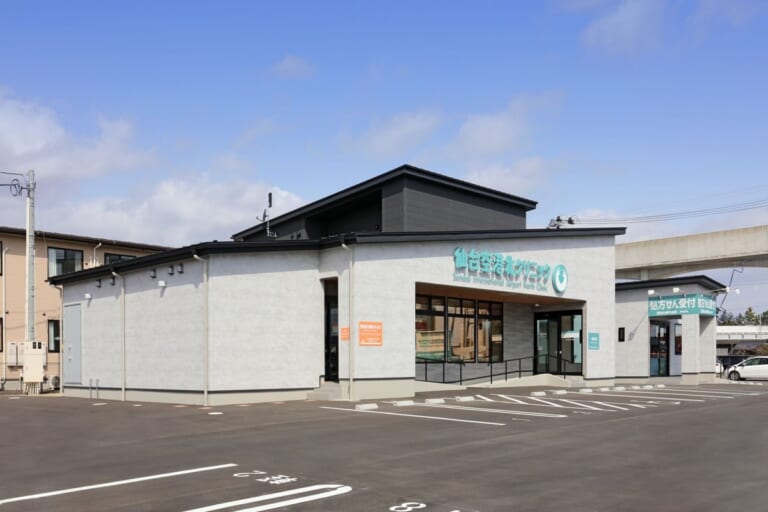
Sendai International Airport North Clinic, 8-1-8 Mitazono, Natori, Miyagi, is about 10 minutes by car from Sendai International Airport. The director is Shunichi Gamo, M.D., Ph.D., board certified in internal medicine, pulmonology and allergology. The fever clinic has its own entrance, and same-day QR check-in at that entrance means you can walk in without contacting the clinic first; the check-in page is in English, Traditional Chinese, Simplified Chinese and Korean. With a Japanese phone number, follow the wait/call instructions shown after check-in. With a foreign phone number only, on regular clinic days press the intercom at the fever clinic entrance and give your name. Then ask staff where to wait and how you will be called. On Sundays and national holidays, ask staff when they check documents at the regular-clinic entrance, where insurance status is confirmed. Order follows check-in in principle but may change with severity. Hours: Mon, Tue, Wed, Fri, Sat 10:00–12:00 and 14:30–18:00; Sundays and national holidays 10:00–15:00 (check the clinic calendar); closed Thursdays. Telephone: 022-797-9523. Children from age 0 are seen, and febrile family members can be seen together in the same room.
For visitors without Japanese health insurance, the flat fee is USD 700, charged in yen at the day’s rate (card or cash). It covers an English consultation, the BioFire SpotFire R Panel nasal-swab PCR (about 15 minutes; 11 viruses and 4 bacteria), a same-day English medical certificate with ICD-10 codes, and a prescription if needed. Medicines are paid separately at the pharmacy next door. Group A streptococcus is not on the panel, and the panel is a respiratory test that does not assess urinary or bloodstream infection. Residents with Japanese insurance are seen under insurance; the flat fee does not apply.
Access guides: https://gamo.or.jp/fever-clinic-near-sendai-airport-en/ and https://gamo.or.jp/fever-clinic-access-from-sendai-station-natori-en/; for Sundays and holidays, https://gamo.or.jp/fever-clinic-sunday-holiday-sendai-en/.
References
- WHO — Sepsis
- Messous S, et al. Bacterial and Viral Infection in Patients Hospitalized for Acute Exacerbation of COPD. COPD 2021.
- Lin SX, et al. Characterising risk of NSAID-related acute kidney injury. BJGP Open 2022.
- JNTO — For safe travels in Japan: Guide for when you are feeling ill
- WHO — Influenza (seasonal)
- CDC — Japan Traveler View